


Hey there! As a supplier of Turn The Bearing, I've been in this industry for quite a while, and I've seen firsthand how turning the bearing can have some pretty significant effects on its vibration. In this blog, I'm gonna break down these effects for you, so you can have a better understanding of what's going on when you're dealing with bearings.
First off, let's talk about what turning a bearing actually means. Turning a bearing is a manufacturing process where the outer or inner race of the bearing is machined to achieve a specific dimension, surface finish, or shape. This process can be done for various reasons, like improving the fit of the bearing in its housing or enhancing its performance.
One of the most noticeable effects of turning the bearing on its vibration is the change in the dynamic balance. When a bearing is turned, the mass distribution of the bearing can be altered. If the turning process isn't done precisely, it can lead to an imbalance in the bearing. An imbalanced bearing will cause uneven forces to act on it during rotation, which in turn leads to increased vibration. Imagine a spinning top that's not perfectly balanced; it'll wobble around and make a lot of noise. The same principle applies to bearings. When there's an imbalance, the vibration levels can go up, and this can have a domino effect on the entire machinery.
Another effect is related to the surface finish. Turning the bearing can change the surface texture of the raceways. A smooth surface finish is crucial for reducing friction and vibration. If the turning process leaves behind rough spots or uneven surfaces on the raceways, it can cause increased friction between the rolling elements (like balls or rollers) and the raceways. This friction can generate additional vibration. For example, if you've ever driven a car on a bumpy road, you know how the rough surface makes the car vibrate more. Similarly, rough raceways in a bearing can make it vibrate excessively.
The dimensional accuracy also plays a big role. When a bearing is turned, the dimensions of the inner and outer races need to be within very tight tolerances. If the dimensions are off, it can affect the clearance between the rolling elements and the raceways. Too much clearance can cause the rolling elements to rattle around, leading to increased vibration. On the other hand, too little clearance can cause excessive preload, which can also result in higher vibration levels. It's like Goldilocks and the Three Bears; you need to find that "just right" clearance for optimal performance and minimal vibration.
Now, let's take a look at some specific types of bearings and how turning can affect their vibration.
Tractor Spindle Bearing
The Tractor Spindle Bearing is an important component in tractors. These bearings are subjected to heavy loads and high speeds. When you turn a tractor spindle bearing, any imbalance or rough surface finish can lead to significant vibration. This vibration can not only reduce the efficiency of the tractor but also cause premature wear and tear on the bearing and other components. For instance, if the vibration is too high, it can loosen the bolts holding the bearing in place, which can lead to more serious problems down the road.
Ball Bearing Sensor
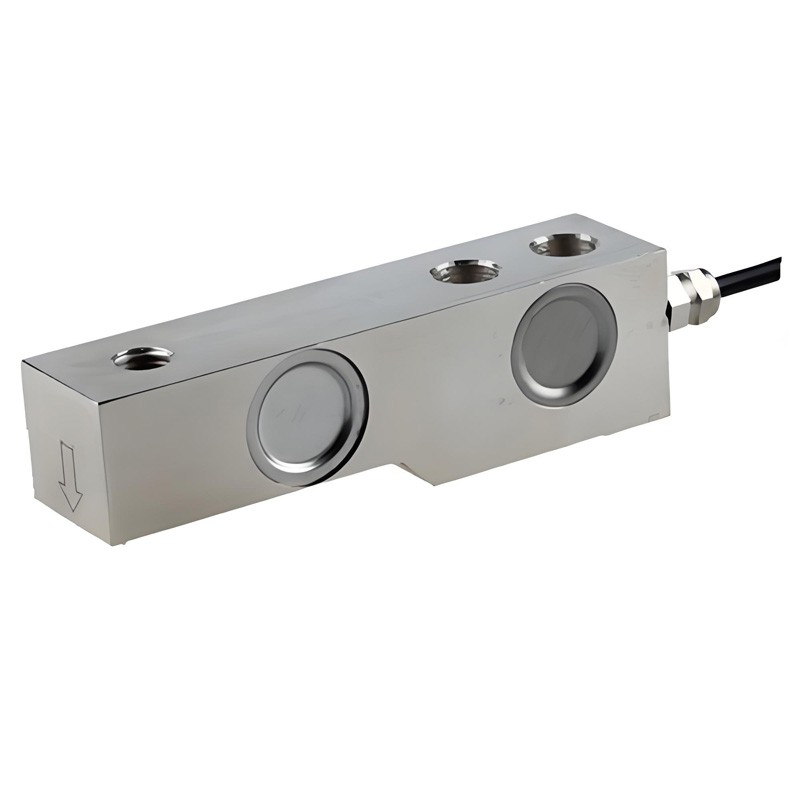
The Ball Bearing Sensor is used in various applications where precise measurement and monitoring are required. Turning this type of bearing can have a direct impact on its accuracy. Any vibration caused by improper turning can interfere with the sensor's ability to measure accurately. For example, if the bearing vibrates too much, the sensor might give false readings, which can lead to incorrect decisions in the control system.
Fag Roller Bearing
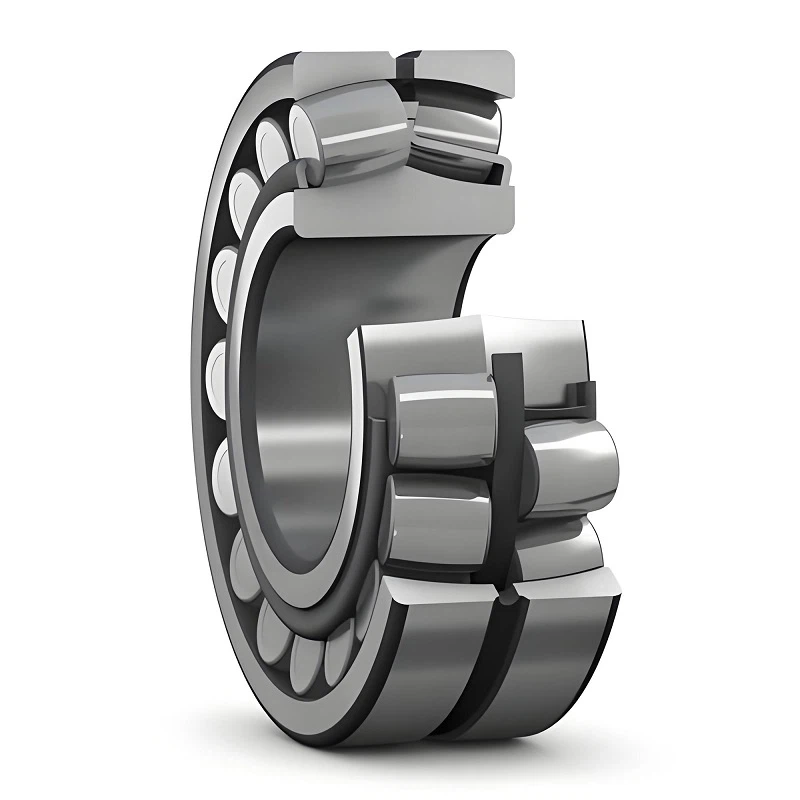
The Fag Roller Bearing is known for its high load-carrying capacity. However, turning this bearing needs to be done with extreme care. Any changes in the shape or surface finish can affect the way the rollers interact with the raceways. If the rollers don't roll smoothly due to turning-induced issues, it can cause increased vibration. This vibration can reduce the overall performance of the bearing and the machinery it's installed in.
So, how can you minimize the negative effects of turning on bearing vibration? Well, it all comes down to quality control. You need to make sure that the turning process is done by experienced operators using high - quality equipment. The machining parameters, like cutting speed, feed rate, and depth of cut, need to be carefully selected to achieve the best results. Also, thorough inspection after turning is essential. Using advanced measuring tools to check for imbalance, surface finish, and dimensional accuracy can help catch any issues early on.
In addition to that, proper lubrication is key. A well - lubricated bearing can reduce friction and dampen vibration. Make sure to use the right type of lubricant for the specific bearing and application.
If you're in the market for high - quality bearings that are turned with precision to minimize vibration, we're here to help. We've got a wide range of bearings, including Tractor Spindle Bearing, Ball Bearing Sensor, and Fag Roller Bearing. Our team of experts can work with you to understand your specific needs and provide the best solutions. Whether you're dealing with a small - scale operation or a large industrial setup, we've got the knowledge and experience to ensure that you get bearings that perform at their best with minimal vibration. So, if you're interested in learning more or want to start a procurement discussion, don't hesitate to reach out.
References
- "Bearing Handbook" by SKF
- "Fundamentals of Machine Elements" by J.E. Shigley and C.R. Mischke
- "Mechanical Vibration" by S.S. Rao


