


What is the weight of a ball bearing sensor? The weight of a ball bearing sensor is a crucial factor that can influence its performance, usability, and application suitability. As a dedicated ball bearing sensor supplier, we understand the significance of this parameter and aim to provide in - depth insights into it.
Factors Affecting the Weight of Ball Bearing Sensors
The weight of a ball bearing sensor is determined by a variety of factors. First and foremost is the size. Larger ball bearing sensors generally weigh more than smaller ones. This relationship is logical since the amount of material used in the sensor directly corresponds to its dimensions. For example, a sensor with a large outer diameter will require more metal for its housing and more balls, which will inevitably increase the overall weight.
The material composition also plays a vital role. Ball bearing sensors can be made from different materials such as stainless steel, ceramic, or plastic. Stainless steel is relatively heavy due to its high density. Sensors made from this material are known for their durability and resistance to corrosion, but their weight can be a limitation in applications where lightness is a priority. On the other hand, ceramic materials are much lighter while still offering excellent hardness and wear - resistance. Plastic ball bearing sensors are the lightest of the three. They are often used in applications where weight is a critical factor, but they may have less strength compared to metal or ceramic alternatives.
The internal design of the ball bearing sensor impacts its weight as well. Sensors with more complex designs, such as those with additional features like integrated circuits or advanced sealing mechanisms, tend to be heavier. These extra components add to the overall mass of the sensor. For example, a ball bearing sensor with an on - board microcontroller for real - time data processing will weigh more than a simple sensor with just basic functionality.
Importance of Weight in Different Applications
In the automotive industry, the weight of ball bearing sensors is of great concern. Automotive manufacturers are constantly striving to reduce the weight of vehicles to improve fuel efficiency and performance. For instance, Automotive Water Pump Bearings that incorporate ball bearing sensors need to be as light as possible without sacrificing reliability. A lighter ball bearing sensor in the water pump can contribute to lower rotational inertia, which in turn reduces the power required to operate the pump, ultimately saving fuel.
In aerospace applications, weight is an even more critical factor. Every gram matters in an aircraft as it directly affects fuel consumption, payload capacity, and flight performance. Ball bearing sensors used in aerospace equipment, such as in navigation systems or engine monitoring, must be extremely lightweight. The use of lightweight materials like ceramics can help meet these strict weight requirements while maintaining the necessary precision and durability.
In industrial machinery, the weight of ball bearing sensors can influence the overall stability and operation of the equipment. For example, in Tractor Spindle Bearing applications, a sensor that is too heavy may cause additional stress on the spindle, leading to premature wear and reduced efficiency. On the contrary, a sensor with an appropriate weight can ensure smooth operation and accurate monitoring of the bearing's condition.
In the food and beverage industry, where hygiene and ease of maintenance are key, the weight of ball bearing sensors can also be important. Lighter sensors are often easier to handle and install, which can reduce the time and effort required for equipment maintenance. Additionally, in applications like Baling Machine Bearing, a well - balanced and appropriately weighted ball bearing sensor can contribute to the smooth and efficient operation of the machine.

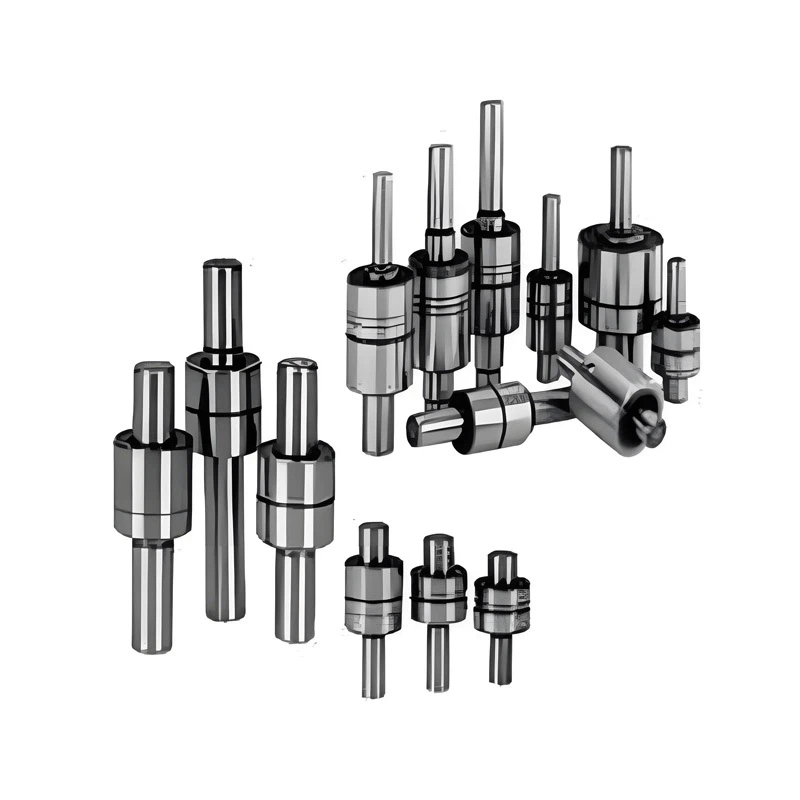
Measuring the Weight of Ball Bearing Sensors
Accurately measuring the weight of a ball bearing sensor is essential for both the suppliers and the customers. Suppliers need to provide accurate weight specifications for their products to ensure that customers can make informed decisions. The most common method of measuring the weight is by using a precision scale.
Before measuring, the ball bearing sensor should be in a clean and dry condition to avoid any additional weight from dirt or moisture. The sensor is then carefully placed on the scale, and the weight is recorded. For high - precision applications, it may be necessary to use a scale with a high level of accuracy, capable of measuring weights to the nearest milligram or even microgram.
It's also important to note that the weight of a ball bearing sensor can vary slightly depending on its manufacturing process and tolerances. Therefore, multiple measurements may be taken, and an average value can be calculated to provide a more accurate representation of the sensor's weight.
Impact of Weight on Cost
The weight of a ball bearing sensor can have a significant impact on its cost. Heavier sensors generally require more raw materials, which increases the production cost. Additionally, if the sensor is made from expensive materials like certain grades of stainless steel or high - performance ceramics, the cost will be further elevated.
Shipping costs are also affected by the weight of the ball bearing sensor. Heavier sensors incur higher shipping fees, which are often passed on to the customer. This can be a significant consideration for customers, especially when ordering in large quantities.
However, in some cases, the added weight may be justified by the enhanced performance or durability of the sensor. For example, a heavier stainless - steel ball bearing sensor may offer better corrosion resistance and a longer service life, which can result in lower overall costs in the long run due to reduced replacement and maintenance requirements.
Conclusion
As a ball bearing sensor supplier, we are well - aware of the multifaceted nature of the weight of ball bearing sensors. It is not just a simple numerical value but a parameter that has far - reaching implications for various industries. Whether it's for improving automotive fuel efficiency, enhancing aerospace performance, or ensuring the smooth operation of industrial machinery, the weight of the ball bearing sensor needs to be carefully considered.
If you are in the market for ball bearing sensors and have questions regarding their weight, compatibility with your application, or any other aspects, we are here to assist you. We invite you to reach out to us for a detailed discussion and procurement negotiation. Our team of experts will be happy to help you find the most suitable ball bearing sensors for your specific needs.
References
- ASME (American Society of Mechanical Engineers) standards on ball bearing design and performance.
- Automotive engineering research papers on weight reduction strategies for vehicle components.
- Aerospace industry publications on the use of lightweight materials in sensor design.


