

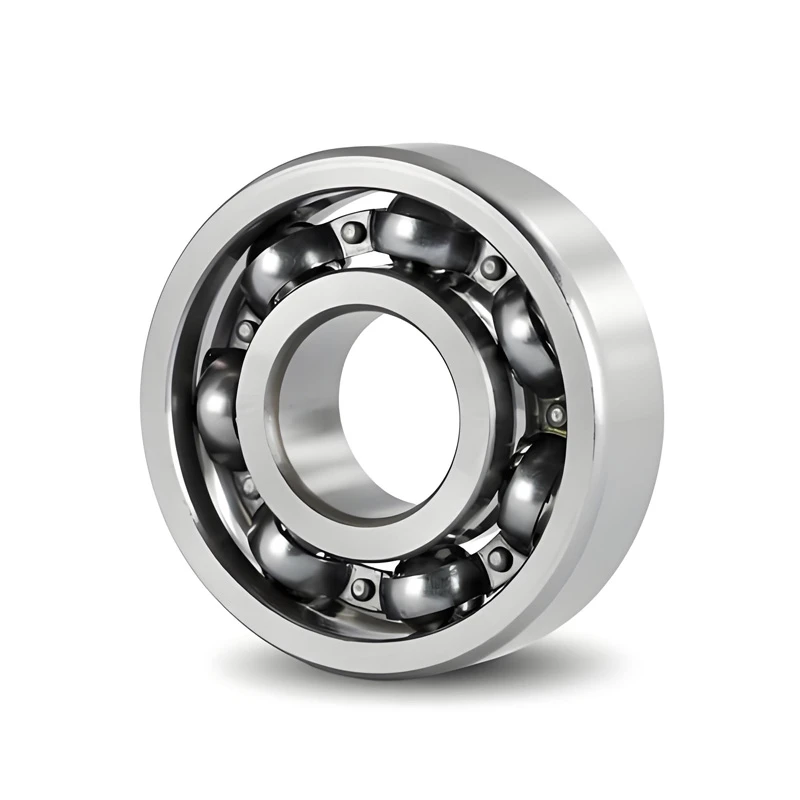
In the transmission systems of various precision equipment, which component can ensure the efficient operation of the equipment with its compact structure and stable transmission performance? The answer is miniature deep-groove ball bearings. Whether in consumer electronics, medical devices, or industrial automation equipment, why are they indispensable? Precisely because of their strong adaptability and low friction coefficient, they can effectively reduce mechanical wear, transmit power, and lay a solid foundation for the stable operation of precision equipment.
In the field of consumer electronics, in which scenarios are miniature deep-groove ball bearings applied? Take the camera module of a smartphone as an example: when a user adjusts the focal length or switches shooting modes, what drives the lens components to rotate accurately, ensuring clear focus and smooth switching of the image? It is precisely miniature deep-groove ball bearings. In the cooling fan of a laptop, what reduces the frictional resistance during rotation, allowing the fan to operate continuously with low noise and effectively cool the internal components of the laptop? It is also miniature deep-groove ball bearings. Why can they stand out in consumer electronic devices? Their compact size and stable performance perfectly meet the "light, thin, small" design requirements, making them a key factor in enhancing user experience.
In the field of medical devices, what role do miniature deep-groove ball bearings play? In the test strip transmission mechanism of portable blood glucose meters and the air flow adjustment components of small ventilators, why can we see their presence? Because they can achieve low-resistance transmission in precision mechanical structures, ensuring accurate detection data and stable equipment operation, thus providing reliable support for medical diagnosis and treatment. In the small servo motors of industrial automation equipment, how do miniature deep-groove ball bearings ensure the operation of production lines? They can bear radial and axial loads, reduce vibration and noise during motor operation, extend the service life of motors, and ensure the continuous and efficient operation of automated production lines.
From consumer electronics to medical devices, and then to the field of industrial automation, why can miniature deep-groove ball bearings adapt to the operation needs of precision equipment in different scenarios? Although they are small in size, they occupy a key position in the transmission systems of various devices with their unique performance advantages. With stable performance, they help precision equipment exert optimal efficiency and become an important basic component for promoting the development of the precision manufacturing industry.


