


Hey there! As a supplier of ball bearing sensors, I often get asked whether these sensors can be used in food processing equipment. It's a great question, and today, I'm gonna break it down for you.
First off, let's talk about what ball bearing sensors are. These sensors are designed to detect the movement, position, or speed of a ball bearing. They work by using various technologies like magnetic, optical, or inductive methods to sense changes in the bearing's operation. Ball bearing sensors are super useful in many industries because they can help monitor the health of the bearings, detect any potential issues early on, and improve the overall efficiency of the machinery.
Now, when it comes to food processing equipment, there are some unique considerations. Food processing is a highly regulated industry, and there are strict standards in place to ensure the safety and quality of the food products. One of the main concerns is contamination. Any equipment used in food processing needs to be made of materials that are safe for food contact and easy to clean.
So, can ball bearing sensors meet these requirements? The answer is yes, but with some important conditions.
Material Compatibility
The materials used in ball bearing sensors need to be food - grade. This means they should not leach any harmful substances into the food. Stainless steel is a popular choice for food - processing applications because it's corrosion - resistant, durable, and can be easily cleaned. Many of our ball bearing sensors are made with high - quality stainless steel components that are compliant with food safety standards.

Hygiene and Cleanability
Food processing equipment needs to be cleaned regularly to prevent the growth of bacteria and other contaminants. Ball bearing sensors should be designed in a way that allows for easy cleaning. This might mean having smooth surfaces without any crevices where food particles or moisture can get trapped. Some of our sensors have a sealed design that not only protects the internal components but also makes them easier to clean. You can simply wipe them down or use a cleaning solution without worrying about damaging the sensor.
Resistance to Harsh Environments
Food processing can involve exposure to various chemicals, high temperatures, and moisture. Ball bearing sensors need to be able to withstand these harsh conditions. For example, in a dairy processing plant, the sensors might be exposed to cleaning agents that are acidic or alkaline. Our sensors are engineered to be resistant to these chemicals, so they can continue to function properly even in a challenging environment.
Benefits of Using Ball Bearing Sensors in Food Processing
Now that we've covered the requirements, let's talk about the benefits of using ball bearing sensors in food processing equipment.
Improved Efficiency
Ball bearing sensors can monitor the speed and position of the bearings in real - time. This information can be used to optimize the operation of the equipment. For instance, if a sensor detects that a bearing is running at a slower speed than normal, it could indicate a problem like a misalignment or a lack of lubrication. By addressing these issues promptly, you can prevent breakdowns and keep the production line running smoothly.
Predictive Maintenance
By continuously monitoring the condition of the ball bearings, sensors can help with predictive maintenance. Instead of waiting for a bearing to fail, you can detect early signs of wear and tear and replace the bearing before it causes a major problem. This can save you a lot of time and money in the long run.
Quality Control
In food processing, consistency is key. Ball bearing sensors can help ensure that the equipment is operating within the specified parameters. For example, in a mixing machine, the sensors can monitor the speed of the bearings to make sure that the ingredients are being mixed evenly. This helps to maintain the quality of the final food product.
Examples of Applications
There are many different types of food processing equipment where ball bearing sensors can be used.
Conveyor Systems
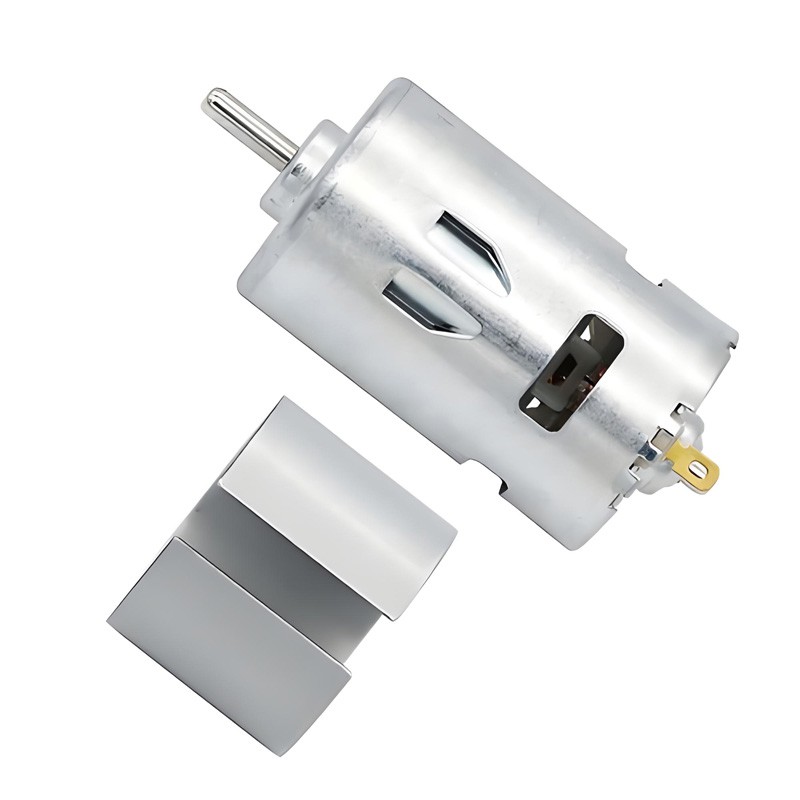
Conveyor systems are widely used in food processing to move products from one stage to another. Ball bearing sensors can be installed on the conveyor rollers to monitor their speed and position. This helps to ensure that the products are moving at the right pace and that the conveyor is operating efficiently. You can check out our 12v Dc Motor Bearings which are suitable for powering the conveyor motors.
Mixing and Blending Machines
In mixing and blending machines, ball bearing sensors can monitor the rotation of the mixing blades. This ensures that the ingredients are being mixed thoroughly and that the machine is not over - or under - mixing. Our sensors can provide accurate feedback on the speed and torque of the bearings, allowing for precise control of the mixing process.
Packaging Equipment
Packaging equipment needs to operate with high precision to ensure that the food products are properly sealed and packaged. Ball bearing sensors can be used to monitor the movement of the packaging components, such as the sealing jaws or the filling nozzles. This helps to prevent packaging errors and improve the overall quality of the packaging.
Case Study
Let's take a look at a real - world example. A large bakery was experiencing frequent breakdowns in their dough - mixing machines. The bearings in the machines were wearing out quickly, and it was causing production delays. They decided to install our ball bearing sensors on the mixing machines. The sensors were able to detect early signs of bearing wear, such as increased vibration and temperature. By replacing the bearings at the right time, the bakery was able to reduce downtime by 30% and increase their production efficiency.
Conclusion
So, to sum it up, ball bearing sensors can definitely be used in food processing equipment. As long as they meet the requirements for material compatibility, hygiene, and resistance to harsh environments, they can provide many benefits in terms of efficiency, predictive maintenance, and quality control.
If you're in the food processing industry and are looking for reliable ball bearing sensors, we'd love to hear from you. Whether you need sensors for a small - scale operation or a large - scale production plant, we have a wide range of products to meet your needs. Contact us to start a discussion about your specific requirements and how our ball bearing sensors can improve your food processing equipment.
References
- "Food Safety Standards in the Processing Industry", Food Industry Journal, 2022
- "Advantages of Predictive Maintenance in Manufacturing", Industrial Engineering Magazine, 2023
- "Materials for Food - Grade Equipment", Materials Science Review, 2021


