


Can a damaged pellet crusher bearing cause the crusher to stop working?
As a supplier of Pellet Crusher Bearings, I've encountered numerous inquiries from customers regarding the impact of bearing damage on the operation of pellet crushers. In this blog, I'll delve into the relationship between a damaged pellet crusher bearing and the crusher's functionality, exploring the reasons, signs, and solutions.
The Role of Bearings in a Pellet Crusher
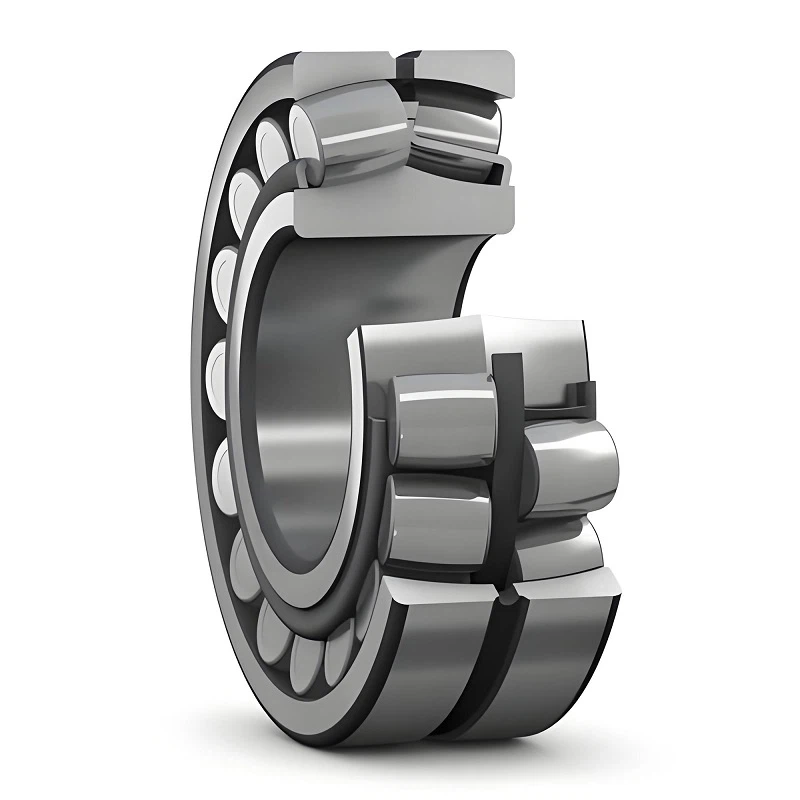
Bearings are crucial components in a pellet crusher. They support the rotating shafts, reduce friction, and ensure smooth and efficient operation. In a pellet crusher, the bearings are subjected to high loads, high speeds, and harsh operating conditions. They play a vital role in maintaining the alignment of the crusher's moving parts and transferring the forces generated during the crushing process.

How a Damaged Bearing Can Cause the Crusher to Stop Working
- Increased Friction
When a bearing is damaged, the smooth rolling motion of its components is disrupted. This leads to increased friction between the bearing elements and the shaft or housing. The additional friction generates heat, which can cause the bearing to overheat. As the temperature rises, the lubricant within the bearing can break down, further increasing friction and wear. Eventually, the excessive friction can cause the bearing to seize, preventing the shaft from rotating and bringing the crusher to a halt. - Loss of Alignment
A damaged bearing may lose its ability to maintain proper alignment of the shaft. This misalignment can cause uneven loading on the crusher's components, leading to premature wear and damage. For example, misaligned bearings can cause the crusher's blades or hammers to strike the housing or other parts at an angle, resulting in excessive vibration and noise. Over time, this can lead to mechanical failures and ultimately cause the crusher to stop working. - Vibration and Noise
Damaged bearings often produce abnormal vibration and noise. The vibration can be transmitted throughout the crusher, causing additional stress on other components. Excessive vibration can loosen bolts, damage seals, and even cause structural damage to the crusher frame. The noise is not only a nuisance but also an indication of a problem. If left unaddressed, the vibration and noise can escalate, leading to a complete breakdown of the crusher.
Signs of a Damaged Pellet Crusher Bearing
- Abnormal Noise
One of the most obvious signs of a damaged bearing is abnormal noise. This can range from a low - pitched rumbling to a high - pitched screeching sound. The noise may be constant or intermittent, depending on the severity of the damage. - Excessive Vibration
Increased vibration is another common sign. You may notice that the crusher vibrates more than usual, especially during operation. This vibration can be felt by touching the crusher housing or by using vibration monitoring equipment. - Overheating
A damaged bearing can generate excessive heat. You can check the temperature of the bearing housing using an infrared thermometer. If the temperature is significantly higher than normal, it may indicate a problem with the bearing. - Reduced Performance
The crusher may experience a decrease in performance, such as lower throughput or reduced pellet quality. This can be due to the bearing's inability to support the crusher's moving parts effectively.
Preventive Measures and Solutions
- Regular Maintenance
Regular maintenance is key to preventing bearing damage. This includes lubrication, inspection, and replacement of worn - out parts. Lubrication helps to reduce friction and wear, while inspection allows you to detect early signs of damage. - Proper Installation
Proper installation of bearings is crucial. Incorrect installation can lead to premature damage. Make sure to follow the manufacturer's installation instructions carefully, including proper alignment, torque values, and clearances. - Use High - Quality Bearings
Investing in high - quality bearings can significantly reduce the risk of damage. As a Pellet Crusher Bearing supplier, I recommend using bearings from reputable manufacturers. For example, Fag Roller Bearing is known for its high - quality and reliability. - Replacement
If a bearing is damaged, it should be replaced immediately. Delaying replacement can cause further damage to the crusher and increase the cost of repairs. When replacing a bearing, make sure to use the correct type and size.
Other Related Bearings
In addition to pellet crusher bearings, there are other types of bearings that are commonly used in industrial applications. For example, Vibration Screen Bearing is used in vibration screens, which are widely used in the mining, construction, and food industries. Small Ceramic Ball Bearings are known for their high - speed performance and corrosion resistance, and they are often used in precision machinery.
Conclusion
In conclusion, a damaged pellet crusher bearing can indeed cause the crusher to stop working. The increased friction, loss of alignment, and vibration associated with a damaged bearing can lead to a variety of problems that ultimately result in a breakdown. However, by implementing preventive measures such as regular maintenance, proper installation, and the use of high - quality bearings, you can minimize the risk of bearing damage and ensure the smooth operation of your pellet crusher.
If you are experiencing problems with your pellet crusher bearings or are looking for high - quality bearings for your industrial equipment, feel free to contact us. We are a professional Pellet Crusher Bearing supplier, and we are committed to providing you with the best products and services. Our team of experts can help you select the right bearings for your specific needs and offer technical support throughout the installation and operation process.
References
- "Bearing Handbook" by SKF
- "Industrial Machinery Maintenance" by McGraw - Hill
- Technical documents from bearing manufacturers such as FAG and SKF


