


In the contemporary industrial landscape, energy efficiency has emerged as a critical concern for businesses across various sectors. As a leading supplier of machine tool bearings, I've witnessed firsthand how these seemingly small components play a pivotal role in enhancing energy efficiency within manufacturing processes. In this blog post, I'll delve into the ways machine tool bearings contribute to energy efficiency, explore the latest technological advancements, and highlight the benefits for our customers.
Understanding the Basics of Machine Tool Bearings
Before we explore their impact on energy efficiency, let's briefly understand what machine tool bearings are and how they function. Machine tool bearings are precision-engineered components that support rotating shafts and enable smooth and accurate motion in machine tools. They are designed to withstand high loads, speeds, and temperatures while maintaining low friction and minimal wear.
There are several types of machine tool bearings, including ball bearings, roller bearings, and plain bearings, each with its own unique characteristics and applications. Ball bearings are commonly used in high-speed applications due to their low friction and high rotational accuracy. Roller bearings, on the other hand, are better suited for heavy-load applications as they can distribute the load over a larger surface area. Plain bearings, also known as bushings, are simple and cost-effective solutions for low-speed and light-load applications.
Reducing Friction for Energy Savings
One of the primary ways machine tool bearings contribute to energy efficiency is by reducing friction. Friction is a force that opposes motion and results in energy loss in the form of heat. By minimizing friction, machine tool bearings can significantly reduce the amount of energy required to operate machine tools.
Modern machine tool bearings are designed with advanced materials and surface treatments to reduce friction and improve wear resistance. For example, ceramic bearings are increasingly being used in high-speed applications due to their low density, high hardness, and excellent thermal stability. Ceramic balls have a lower coefficient of friction compared to steel balls, which means less energy is wasted in overcoming friction.
In addition to using advanced materials, machine tool bearings are also designed with precision geometries to ensure optimal contact between the rolling elements and the raceways. This reduces the amount of sliding friction and improves the overall efficiency of the bearing. For example, angular contact ball bearings are designed to support both radial and axial loads while maintaining low friction and high precision.
Enhancing System Efficiency through Precision
Another way machine tool bearings contribute to energy efficiency is by enhancing the overall efficiency of the machine tool system. Precision bearings are essential for maintaining accurate positioning and motion control in machine tools, which can improve the quality of the finished product and reduce the amount of scrap and rework.
By using high-precision bearings, machine tool manufacturers can achieve tighter tolerances and smoother operation, which can result in significant energy savings. For example, in a machining center, precision bearings can reduce the amount of vibration and chatter, which can improve the surface finish of the workpiece and reduce the cutting forces required. This not only improves the quality of the finished product but also reduces the energy consumption of the machine tool.
In addition to improving the efficiency of the machine tool itself, precision bearings can also enhance the efficiency of the entire manufacturing process. By reducing the amount of downtime and maintenance required, machine tool bearings can increase the productivity of the manufacturing facility and reduce the overall energy consumption per unit of production.
Advanced Technologies for Energy Efficiency
The field of machine tool bearings is constantly evolving, and new technologies are being developed to improve energy efficiency and performance. One such technology is the use of intelligent bearings, which are equipped with sensors and monitoring systems to provide real-time data on bearing performance.
Intelligent bearings can detect early signs of wear, damage, or misalignment, which can help prevent costly breakdowns and reduce the need for unscheduled maintenance. By monitoring the operating conditions of the bearing, such as temperature, vibration, and lubrication, intelligent bearings can also optimize the performance of the bearing and reduce energy consumption.
Another advanced technology for energy efficiency is the use of hybrid bearings, which combine the best features of ceramic and steel bearings. Hybrid bearings typically use ceramic balls and steel raceways, which can provide the benefits of both materials. Ceramic balls have a lower coefficient of friction and higher hardness compared to steel balls, while steel raceways provide excellent toughness and durability.
Hybrid bearings are particularly well-suited for high-speed and high-precision applications, such as machine tool spindles. By using hybrid bearings, machine tool manufacturers can achieve higher speeds, lower energy consumption, and longer bearing life.
Applications in Different Industries
Machine tool bearings are used in a wide range of industries, including automotive, aerospace, electronics, and medical. Each industry has its own unique requirements and challenges, and machine tool bearings are designed to meet these specific needs.
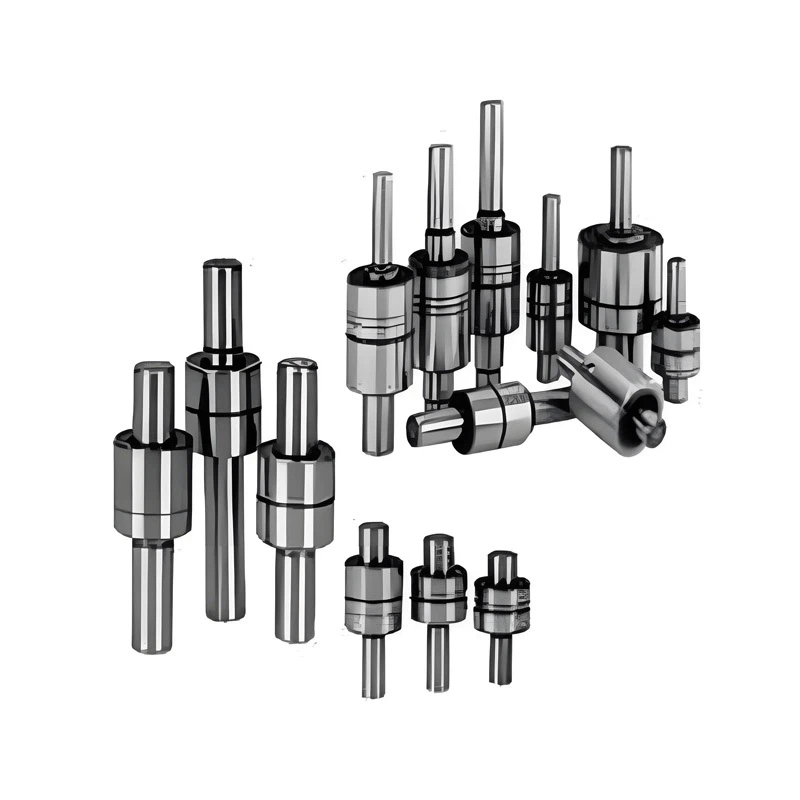
In the automotive industry, machine tool bearings are used in various applications, such as engine components, transmissions, and steering systems. Automotive Water Pump Bearings are critical components in automotive engines, as they support the water pump shaft and ensure efficient cooling of the engine. By using high-quality bearings, automotive manufacturers can improve the reliability and performance of their engines while reducing energy consumption.
In the aerospace industry, machine tool bearings are used in aircraft engines, landing gear, and flight control systems. These applications require bearings that can withstand extreme temperatures, high speeds, and heavy loads while maintaining high precision and reliability. Maintenance-free Bearing are particularly well-suited for aerospace applications, as they can reduce the amount of maintenance and downtime required.

In the electronics industry, machine tool bearings are used in semiconductor manufacturing equipment, such as wafer handling systems and lithography machines. These applications require bearings that can provide high precision and cleanliness, as even the smallest particle of contamination can cause defects in the semiconductor chips. By using cleanroom-compatible bearings, electronics manufacturers can improve the yield and quality of their products while reducing energy consumption.
In the medical industry, machine tool bearings are used in various medical devices, such as surgical instruments, imaging equipment, and dental drills. These applications require bearings that can provide high precision, reliability, and biocompatibility. Baling Machine Bearing are designed to meet the strict requirements of the medical industry, and they can help improve the performance and safety of medical devices.
Benefits for Our Customers
As a machine tool bearings supplier, we understand the importance of energy efficiency for our customers. By providing high-quality bearings that are designed to reduce friction, enhance precision, and improve system efficiency, we can help our customers save energy, reduce costs, and improve the performance of their machine tools.
In addition to energy savings, using high-quality machine tool bearings can also provide other benefits for our customers. For example, by reducing the amount of downtime and maintenance required, our bearings can increase the productivity of the manufacturing facility and improve the overall profitability of the business.
Furthermore, our bearings are designed to meet the highest standards of quality and reliability, which means our customers can trust our products to perform consistently and deliver long-term value. We offer a wide range of bearings to meet the specific needs of our customers, and our team of experts is available to provide technical support and advice.
Conclusion
In conclusion, machine tool bearings play a crucial role in enhancing energy efficiency in manufacturing processes. By reducing friction, enhancing precision, and improving system efficiency, these components can significantly reduce the amount of energy required to operate machine tools and improve the overall productivity of the manufacturing facility.
As a leading supplier of machine tool bearings, we are committed to providing our customers with the highest quality products and services. We stay at the forefront of technology and innovation to ensure that our bearings meet the evolving needs of the industry and help our customers achieve their energy efficiency goals.
If you're interested in learning more about how our machine tool bearings can contribute to energy efficiency in your manufacturing processes, please don't hesitate to contact us. Our team of experts is ready to assist you in selecting the right bearings for your application and providing you with the support and advice you need to optimize your energy consumption.
References
- "Bearing Technology Handbook" by SKF
- "Machine Tool Design" by Geoffrey Boothroyd
- "Energy Efficiency in Manufacturing" by the United Nations Industrial Development Organization


