


Hey there! As an industrial bearing supplier, I've seen firsthand how the load capacity of an industrial bearing can significantly impact its performance. In this blog, I'm gonna break down what load capacity is, how it affects bearing performance, and why it matters for your machinery.
What is Load Capacity?
Let's start with the basics. Load capacity refers to the maximum amount of weight or force that a bearing can handle without failing or experiencing excessive wear. There are two main types of loads that bearings typically encounter: radial loads and axial loads.
Radial loads act perpendicular to the shaft, pushing the bearing in a sideways direction. Think of a pulley on a conveyor belt – the weight of the belt and the items it's carrying creates a radial load on the bearings supporting the pulley. Axial loads, on the other hand, act parallel to the shaft, either pushing or pulling the bearing along its axis. An example of an axial load would be the thrust generated by a propeller in a ship's engine.
Bearings are designed to handle different combinations of radial and axial loads, and their load capacity is determined by factors such as the bearing's size, material, and design. For instance, a larger bearing with a wider raceway and more rolling elements can generally handle a higher load than a smaller one.
How Load Capacity Affects Performance
Now that we know what load capacity is, let's talk about how it affects the performance of an industrial bearing.
Wear and Tear
One of the most obvious ways that load capacity impacts performance is through wear and tear. When a bearing is subjected to a load that exceeds its capacity, the rolling elements and raceways experience increased stress and friction. This can lead to premature wear, pitting, and spalling, which can ultimately cause the bearing to fail.
For example, if you're using a bearing with a low load capacity in a high-load application, such as a heavy-duty conveyor system, the bearing may start to show signs of wear after just a few months of operation. This can result in increased downtime, maintenance costs, and the need for frequent bearing replacements.
Noise and Vibration
Excessive loads can also cause bearings to produce more noise and vibration. When the rolling elements are under too much stress, they may not roll smoothly, which can lead to uneven movement and increased noise levels. Vibration can also be a sign of a bearing that is struggling to handle the load, and it can have a negative impact on the performance of the entire machine.
In a manufacturing environment, excessive noise and vibration can be a major problem. Not only can it be a nuisance to workers, but it can also affect the quality of the products being produced. For example, in a precision machining operation, even a small amount of vibration can cause inaccuracies in the finished product.
Temperature Rise
Another consequence of overloading a bearing is a rise in temperature. When the bearing is under stress, the friction between the rolling elements and the raceways generates heat. If the load is too high, the bearing may not be able to dissipate this heat effectively, which can cause the temperature to rise to dangerous levels.
High temperatures can have a detrimental effect on the bearing's performance and lifespan. They can cause the lubricant to break down, which can lead to increased wear and corrosion. In extreme cases, the heat can even cause the bearing to seize, which can result in serious damage to the machine.
Choosing the Right Bearing for the Job
Given the importance of load capacity, it's crucial to choose the right bearing for your application. Here are some factors to consider when selecting a bearing:
Load Requirements
The first step is to determine the load requirements of your application. This includes both the radial and axial loads, as well as any dynamic or shock loads that the bearing may encounter. You can use load calculation tools or consult with a bearing expert to accurately determine the load requirements.
For example, if you're designing a new piece of equipment, you'll need to consider the weight of the components, the forces generated during operation, and any potential overloads. Once you have a clear understanding of the load requirements, you can select a bearing with a load capacity that meets or exceeds these requirements.
Operating Conditions
In addition to load requirements, you also need to consider the operating conditions of your application. This includes factors such as temperature, speed, lubrication, and environment. For instance, if the bearing will be operating in a high-temperature environment, you'll need to choose a bearing that is made from a heat-resistant material and has a high-temperature lubricant.
Similarly, if the bearing will be exposed to dust, dirt, or moisture, you'll need to select a bearing with a sealed or shielded design to protect it from contaminants. By taking these factors into account, you can ensure that the bearing will perform reliably in your specific application.
Application-Specific Considerations
Finally, you should also consider any application-specific requirements when choosing a bearing. For example, if you're using a bearing in an internal combustion engine, you'll need to choose a bearing that is designed to withstand the high temperatures, pressures, and vibrations associated with this type of application. You can find more information about Internal Combustion Engine Bearings on our website.
If you're in the agricultural industry, you'll need bearings that are durable and reliable enough to withstand the harsh conditions of farm machinery. Our Agricultural Machinery Bearings are specifically designed to meet the needs of this industry.
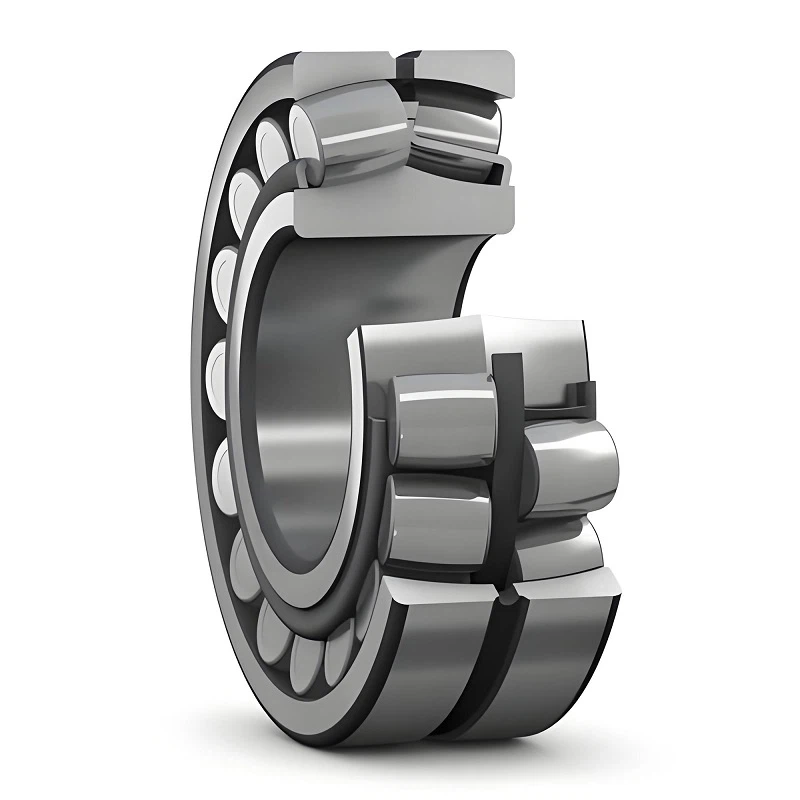

And if you're looking for a high-quality roller bearing, we offer a range of Fag Roller Bearing options that are known for their performance and reliability.
Conclusion
In conclusion, the load capacity of an industrial bearing plays a crucial role in its performance and lifespan. By understanding how load capacity affects wear and tear, noise and vibration, and temperature rise, you can make informed decisions when selecting a bearing for your application.
Remember, choosing the right bearing is not just about finding one with a high load capacity. You also need to consider factors such as operating conditions, application-specific requirements, and cost. By working with a reputable bearing supplier and taking the time to do your research, you can ensure that you're getting the best bearing for your money.
If you're in the market for industrial bearings and need help choosing the right ones for your application, don't hesitate to reach out to us. We have a team of experts who can provide you with personalized advice and recommendations based on your specific needs. Let's work together to keep your machinery running smoothly and efficiently!
References
- "Bearing Selection Handbook" by SKF
- "Mechanical Design of Machine Elements and Machines" by Robert L. Norton
- "Rolling Bearing Analysis" by Tedric A. Harris


