


Vibration is a common phenomenon in various industrial environments, and its impact on ball bearing sensors cannot be underestimated. As a professional ball bearing sensor supplier, I have witnessed firsthand how vibration can influence the performance, reliability, and lifespan of these crucial components. In this blog post, I will delve into the ways in which vibration affects ball bearing sensors and discuss strategies to mitigate its negative effects.
Understanding Ball Bearing Sensors
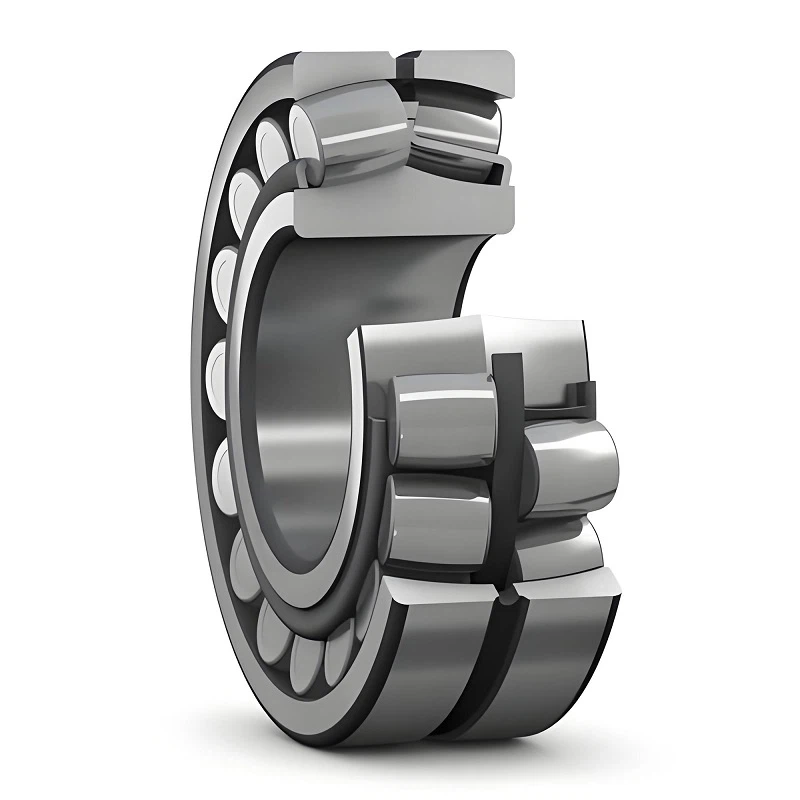
Before exploring the impact of vibration, it's essential to understand what ball bearing sensors are and how they function. Ball bearing sensors are devices designed to monitor the condition of ball bearings, which are widely used in rotating machinery such as motors, pumps, and generators. These sensors can detect various parameters, including temperature, vibration, and lubrication levels, providing valuable insights into the health of the bearings.
By continuously monitoring these parameters, ball bearing sensors can help prevent unexpected failures, reduce maintenance costs, and improve the overall efficiency of industrial equipment. However, vibration can pose significant challenges to the accurate and reliable operation of these sensors.
Effects of Vibration on Ball Bearing Sensors
1. Signal Distortion
One of the primary ways in which vibration affects ball bearing sensors is by causing signal distortion. When a sensor is subjected to vibration, the mechanical components within the sensor can move or vibrate, leading to changes in the electrical signals generated by the sensor. This can result in inaccurate readings and false alarms, making it difficult to accurately assess the condition of the ball bearings.
For example, if a vibration sensor is installed on a ball bearing and the bearing experiences excessive vibration, the sensor may pick up the vibration signals and misinterpret them as a sign of bearing damage. This can lead to unnecessary maintenance actions, such as bearing replacement, which can be costly and time-consuming.
2. Accelerated Wear and Tear
Vibration can also accelerate the wear and tear of ball bearing sensors. The constant movement and vibration can cause the mechanical components within the sensor to rub against each other, leading to increased friction and wear. Over time, this can damage the sensor and reduce its lifespan.
In addition, vibration can also cause the electrical connections within the sensor to loosen or break, further compromising the sensor's performance. This can result in intermittent or complete loss of sensor functionality, making it difficult to monitor the condition of the ball bearings effectively.
3. Reduced Accuracy and Precision
Another significant impact of vibration on ball bearing sensors is the reduction in accuracy and precision. Vibration can introduce noise and interference into the sensor signals, making it challenging to distinguish between the actual bearing signals and the background noise. This can lead to inaccurate measurements and reduced sensitivity, making it difficult to detect early signs of bearing damage.
For instance, if a temperature sensor is installed on a ball bearing and the bearing experiences vibration, the vibration can cause the temperature readings to fluctuate, making it difficult to determine the actual temperature of the bearing. This can result in delayed detection of overheating, which can lead to bearing failure and costly downtime.
4. Mounting and Installation Issues
Vibration can also cause problems with the mounting and installation of ball bearing sensors. If the sensor is not properly mounted or secured, the vibration can cause the sensor to move or shift, leading to inaccurate readings. In addition, vibration can also cause the mounting brackets or fixtures to loosen or break, further compromising the sensor's stability and performance.
For example, if a vibration sensor is installed on a ball bearing using a loose mounting bracket, the vibration can cause the sensor to move or vibrate, leading to inaccurate vibration readings. This can result in false alarms and unnecessary maintenance actions.
Mitigating the Effects of Vibration
1. Proper Sensor Selection
One of the most effective ways to mitigate the effects of vibration on ball bearing sensors is to select the right sensor for the application. Different sensors have different levels of vibration resistance, and it's essential to choose a sensor that can withstand the expected levels of vibration in the operating environment.
For example, if the ball bearing is located in a high-vibration environment, such as a motor or a pump, it's recommended to use a sensor with a high level of vibration resistance, such as a piezoelectric vibration sensor. These sensors are designed to withstand high levels of vibration and can provide accurate and reliable measurements even in harsh environments.
2. Mounting and Installation Best Practices
Proper mounting and installation of ball bearing sensors are crucial to ensure their accurate and reliable operation. When mounting the sensor, it's important to use the appropriate mounting brackets and fixtures to secure the sensor firmly in place. In addition, the sensor should be installed in a location where it is not directly exposed to excessive vibration or shock.
For example, if a vibration sensor is installed on a ball bearing, it's recommended to mount the sensor on a stable surface near the bearing, such as a housing or a frame. This can help reduce the effects of vibration on the sensor and ensure accurate readings.
3. Vibration Isolation
Another effective strategy to mitigate the effects of vibration on ball bearing sensors is to use vibration isolation techniques. Vibration isolation involves the use of materials or devices to reduce the transmission of vibration from the source to the sensor.
For example, if a ball bearing is located in a high-vibration environment, it's recommended to use vibration isolation pads or mounts to reduce the vibration transmitted to the sensor. These pads or mounts can absorb the vibration energy and prevent it from reaching the sensor, thereby reducing the risk of signal distortion and damage to the sensor.
4. Regular Maintenance and Calibration
Regular maintenance and calibration of ball bearing sensors are essential to ensure their accurate and reliable operation. Over time, the performance of the sensors can degrade due to factors such as wear and tear, environmental conditions, and vibration. Therefore, it's important to perform regular maintenance tasks, such as cleaning, inspection, and calibration, to keep the sensors in optimal condition.

For example, if a temperature sensor is installed on a ball bearing, it's recommended to calibrate the sensor regularly to ensure accurate temperature readings. This can help detect early signs of bearing overheating and prevent bearing failure.
Conclusion
In conclusion, vibration can have a significant impact on the performance, reliability, and lifespan of ball bearing sensors. Signal distortion, accelerated wear and tear, reduced accuracy and precision, and mounting and installation issues are some of the common problems caused by vibration. However, by selecting the right sensor, following proper mounting and installation practices, using vibration isolation techniques, and performing regular maintenance and calibration, these issues can be effectively mitigated.
As a ball bearing sensor supplier, we understand the importance of providing high-quality sensors that can withstand the challenges of vibration in industrial environments. Our range of sensors includes High Temperature Resistant Bearings, Fag Roller Bearing, and Ceramic Wheel Bearings, which are designed to provide accurate and reliable measurements even in harsh conditions.
If you are looking for a reliable ball bearing sensor supplier, we invite you to contact us to discuss your specific requirements. Our team of experts can help you select the right sensor for your application and provide you with the support and guidance you need to ensure the optimal performance of your ball bearings.
References
- "Vibration Analysis for Machinery Fault Diagnosis" by Thomas G. Beards
- "Ball Bearing Handbook" by SKF
- "Industrial Sensor Technology" by John C. Denton


