


Hey there! As a supplier of ball bearing sensors, I've seen my fair share of damaged sensors over the years. It's a real pain, not just for us suppliers but also for you, the customers. A damaged sensor can lead to all sorts of problems, from equipment malfunctions to costly downtime. So, I thought I'd share some tips on how to protect a ball bearing sensor from damage.

Understanding the Basics of Ball Bearing Sensors
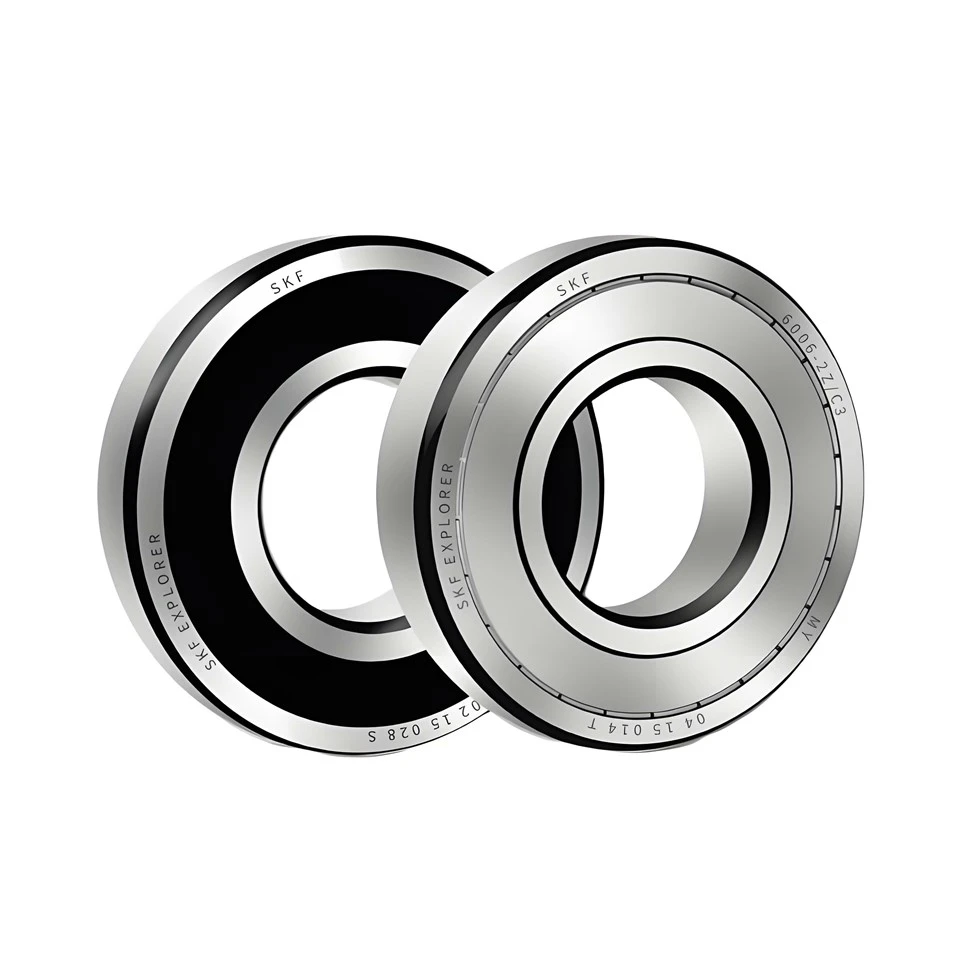
Before we dive into the protection methods, let's quickly go over what a ball bearing sensor is. A ball bearing sensor is a device that measures various parameters like speed, position, and vibration in a mechanical system. It consists of a ball bearing and a sensing element that detects changes in the bearing's movement. These sensors are used in a wide range of applications, from industrial machinery to automotive systems.
Common Causes of Damage
To protect a ball bearing sensor, it's important to understand what can cause it to get damaged in the first place. Here are some of the most common culprits:
1. Contamination
Dirt, dust, and other contaminants can find their way into the ball bearing sensor. Once inside, they can cause abrasion, wear, and even corrosion. This can lead to inaccurate readings and eventually, sensor failure. For example, in a manufacturing plant where there's a lot of dust in the air, the sensors are at a high risk of contamination.
2. Overloading
If a ball bearing sensor is subjected to loads that are beyond its design capacity, it can get damaged. This can happen when the equipment is used in a way that it wasn't intended for or when there's a sudden increase in the load. Overloading can cause the bearings to deform, the sensing element to malfunction, and in severe cases, the entire sensor to break down.
3. Vibration and Shock
Excessive vibration and shock can also take a toll on the ball bearing sensor. These forces can cause the internal components to loosen, misalign, or even break. In applications like heavy machinery or vehicles, where there's a lot of vibration and shock, the sensors need to be well-protected.
4. Temperature Extremes
Ball bearing sensors are designed to operate within a certain temperature range. If they're exposed to temperatures that are too high or too low, it can affect their performance and durability. High temperatures can cause the lubricant in the bearings to break down, while low temperatures can make the materials brittle.
Protection Methods
1. Sealing and Enclosure
One of the most effective ways to protect a ball bearing sensor from contamination is to use proper sealing and enclosure. A sealed sensor prevents dirt, dust, and moisture from entering the bearing and the sensing element. There are different types of seals available, such as rubber seals and labyrinth seals. Additionally, enclosing the sensor in a protective housing can provide an extra layer of protection. For example, if you're using a ball bearing sensor in a dirty environment, you can choose a sensor with a high-quality seal and place it in a metal or plastic enclosure.
2. Load Management
To prevent overloading, it's crucial to use the ball bearing sensor within its specified load limits. Make sure to check the manufacturer's specifications before installing the sensor. If you need to use the sensor in an application with high loads, consider using a sensor with a higher load capacity. You can also use load distribution techniques, such as using multiple sensors to share the load.
3. Vibration and Shock Isolation
To reduce the impact of vibration and shock, you can use vibration isolation mounts or shock absorbers. These devices are designed to absorb and dampen the vibrations and shocks, protecting the ball bearing sensor from damage. For example, in a vehicle, you can install the sensor on a vibration isolation mount to minimize the effects of road vibrations.
4. Temperature Control
If the ball bearing sensor is exposed to extreme temperatures, you need to take steps to control the temperature. In high-temperature environments, you can use cooling systems, such as fans or heat sinks, to keep the sensor cool. In low-temperature environments, you can use heating elements or insulation to prevent the sensor from getting too cold.
5. Regular Maintenance
Regular maintenance is essential for the long-term protection of a ball bearing sensor. This includes cleaning the sensor, checking the seals and enclosures for damage, and lubricating the bearings if necessary. By performing regular maintenance, you can detect and address any potential issues before they become major problems.
Choosing the Right Ball Bearing Sensor
When it comes to protecting a ball bearing sensor, choosing the right sensor in the first place is half the battle. Here are some factors to consider:
1. Application Requirements
Make sure to choose a sensor that is suitable for your specific application. Consider factors such as the load, speed, temperature, and environment. For example, if you're using the sensor in a high-speed application, you'll need a sensor with a high-speed rating. If you're using it in a corrosive environment, you'll need a sensor with a corrosion-resistant coating.
2. Quality and Reliability
Invest in a high-quality ball bearing sensor from a reputable supplier. A high-quality sensor is more likely to be durable and reliable, reducing the risk of damage. Look for sensors that have been tested and certified to meet industry standards.
3. Compatibility
Ensure that the ball bearing sensor is compatible with the rest of your equipment. This includes the mounting dimensions, electrical connections, and communication protocols. Using an incompatible sensor can lead to installation problems and performance issues.
Related Products
As a ball bearing sensor supplier, we also offer a range of related products that can enhance the protection and performance of your sensors. For example, we have Centrifuge Bearings that are designed for high-speed and high-precision applications. These bearings can be used in conjunction with ball bearing sensors to improve the accuracy and reliability of your measurements.
We also have High Carbon Steel Bearing that offer excellent wear resistance and durability. These bearings are suitable for applications with high loads and harsh environments.
And if you're looking for something more advanced, we have Small Ceramic Ball Bearings. Ceramic bearings have several advantages over traditional steel bearings, such as higher hardness, lower friction, and better corrosion resistance.
Conclusion
Protecting a ball bearing sensor from damage is crucial for ensuring the reliable operation of your equipment. By understanding the common causes of damage and implementing the right protection methods, you can extend the lifespan of your sensors and reduce the risk of costly downtime. Remember to choose the right sensor for your application, perform regular maintenance, and use related products to enhance the performance and protection of your sensors.
If you're interested in purchasing ball bearing sensors or any of our related products, feel free to reach out to us for a consultation. We're here to help you find the best solutions for your needs.
References
- "Ball Bearing Handbook" by SKF
- "Industrial Sensor Technology" by John Wiley & Sons
- Manufacturer's specifications and technical documents for ball bearing sensors.


