


In the dynamic landscape of industrial operations, the cost - effectiveness of equipment and sensors is a critical concern for businesses aiming to maximize their profit margins while maintaining high - quality performance. As a well - established Ball Bearing Sensor supplier, I understand the challenges faced by our clients in reducing the cost of using these sensors. In this blog, I will share some practical strategies that can help you achieve significant cost savings without compromising on the functionality and reliability of your ball bearing sensors.
1. Opt for the Right Material
The choice of material for ball bearing sensors has a direct impact on their cost and performance. One of the cost - effective options is the High Carbon Steel Bearing. High - carbon steel is known for its excellent hardness and wear resistance, which makes it suitable for a wide range of applications. It can withstand high loads and harsh operating conditions, ensuring a long service life for the ball bearing sensor.
Compared to some exotic materials, high - carbon steel is more readily available and less expensive. This means that you can acquire ball bearing sensors made from high - carbon steel at a lower cost. Additionally, the manufacturing processes for high - carbon steel components are well - established, resulting in more consistent quality and fewer production - related costs.
2. Optimize the Design
A well - optimized design can significantly reduce the cost of using a ball bearing sensor. When designing the sensor, consider the specific requirements of your application. Avoid over - engineering the sensor by including unnecessary features or components. For example, if your application does not require extremely high precision, you can choose a sensor with a lower precision rating, which is usually less expensive.
Another aspect of design optimization is to minimize the number of parts. A simpler design with fewer components not only reduces the material cost but also lowers the assembly cost. Moreover, fewer parts mean less potential for failure, which can save on maintenance and replacement costs in the long run. Our team of engineers can work closely with you to customize the Ball Bearing Sensor design according to your specific needs, ensuring that you get the most cost - effective solution.
3. Bulk Purchasing
Bulk purchasing is a classic yet effective strategy for reducing costs. When you buy ball bearing sensors in large quantities, you can often negotiate better prices with the supplier. Most suppliers, including us, offer volume discounts to encourage large - scale orders. By taking advantage of these discounts, you can significantly lower the unit cost of each sensor.
In addition to cost savings, bulk purchasing also provides other benefits. It ensures a stable supply of sensors for your production line, reducing the risk of production delays due to shortages. You can also save on shipping and handling costs per unit when you order in bulk. However, it is important to manage your inventory carefully to avoid overstocking, which can tie up your capital.
4. Implement Predictive Maintenance
Predictive maintenance is a proactive approach that can help you reduce the cost of using ball bearing sensors. Instead of relying on traditional time - based maintenance schedules, predictive maintenance uses data and analytics to determine the actual condition of the sensor. By monitoring parameters such as temperature, vibration, and noise, you can detect potential issues before they lead to a complete failure.
This approach allows you to perform maintenance only when necessary, which reduces the overall maintenance cost. You can also avoid unplanned downtime, which can be extremely costly for your business. Our ball bearing sensors are equipped with advanced monitoring capabilities, enabling you to implement an effective predictive maintenance program.
5. Consider Refurbishment
In some cases, refurbishing ball bearing sensors can be a cost - effective alternative to buying new ones. When a sensor shows signs of wear or minor damage, a professional refurbishment can restore its functionality to a near - new state. Refurbishment typically involves cleaning, inspecting, replacing worn parts, and re - calibrating the sensor.
The cost of refurbishment is usually much lower than the cost of a new sensor. Moreover, it is an environmentally friendly option as it reduces waste. Our company offers a comprehensive refurbishment service for Ball Bearing Sensor, ensuring that you get a reliable and cost - effective solution.
6. Evaluate Applications and Replacements
Regularly evaluate the applications of your ball bearing sensors to ensure that they are still the best fit for your needs. As your business evolves, your requirements may change, and there may be more cost - effective alternatives available in the market. For example, if you are using a high - end sensor for a relatively simple application, you may be able to switch to a more basic model without sacrificing performance.
When it comes to replacements, do not rush to replace a sensor at the first sign of trouble. Sometimes, a minor adjustment or repair can extend the life of the sensor. However, if a sensor is beyond repair or has become obsolete, it is important to replace it in a timely manner to avoid potential production disruptions.
7. Collaborate with the Supplier
Building a strong partnership with your ball bearing sensor supplier can bring many cost - saving benefits. As your supplier, we have in - depth knowledge of the product and the industry. We can provide you with valuable advice on product selection, installation, and maintenance. Our technical support team is always ready to assist you with any issues you may encounter.
We can also work with you to develop long - term cost - reduction strategies. For example, we may be able to introduce new product lines or technologies that can meet your needs at a lower cost. By collaborating closely with us, you can stay ahead of the curve and make the most cost - effective decisions for your business.
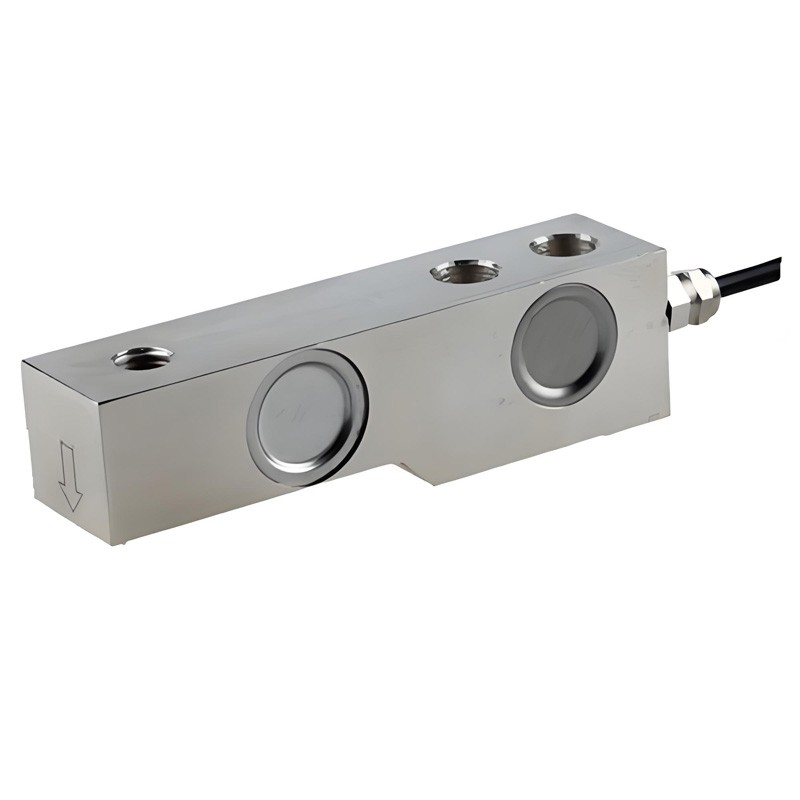

In conclusion, reducing the cost of using a ball bearing sensor requires a comprehensive approach that includes material selection, design optimization, purchasing strategies, maintenance practices, and supplier collaboration. By implementing these strategies, you can achieve significant cost savings while ensuring the reliable operation of your equipment.
If you are interested in learning more about our Ball Bearing Sensor products or would like to discuss cost - reduction strategies for your specific application, please feel free to reach out to us. We are committed to providing you with the best solutions and helping you achieve your business goals.
References
- "Industrial Bearing Handbook", published by Industrial Bearing Association.
- "Cost - Effective Sensor Design and Application", a research paper from the Institute of Industrial Technology.
- "Predictive Maintenance in the Manufacturing Industry", a report by a leading market research firm.


