


As a supplier of plane slider bearings, I've had the privilege of witnessing firsthand the widespread use and benefits of these components in various industries. However, like any product, plane slider bearings are not without their drawbacks. In this blog post, I'll delve into the disadvantages of plane slider bearings, providing insights based on my experience in the industry.
Limited Load - Carrying Capacity
One of the primary disadvantages of plane slider bearings is their relatively limited load - carrying capacity compared to some other types of bearings, such as rolling element bearings. Plane slider bearings rely on a sliding motion between two surfaces, and the frictional forces generated during this sliding can limit the amount of load they can handle. When a high load is applied, the wear and tear on the bearing surfaces increase significantly. This can lead to premature failure of the bearing, as the material may deform or experience excessive wear.
For example, in heavy - duty industrial applications where large loads are common, using plane slider bearings may not be the most practical choice. In such scenarios, bearings like Swivel Support Bearing are often preferred due to their ability to handle higher loads more effectively. Swivel support bearings use rolling elements, which distribute the load more evenly and reduce the frictional forces, allowing them to support heavier loads with less wear.
High Friction and Energy Loss
Another significant disadvantage of plane slider bearings is the high level of friction generated during operation. Friction is an inherent characteristic of sliding motion, and in plane slider bearings, this friction can be quite substantial. The high friction not only leads to increased wear on the bearing surfaces but also results in significant energy loss.
When a machine uses plane slider bearings, a considerable amount of the input energy is dissipated as heat due to friction. This not only reduces the overall efficiency of the machine but also requires additional energy input to maintain the desired level of performance. In applications where energy efficiency is a top priority, such as in automotive or aerospace industries, the high friction of plane slider bearings can be a major drawback. For instance, in an automotive engine, using plane slider bearings in critical components could lead to reduced fuel efficiency. In contrast, Automotive Water Pump Bearings are designed to minimize friction, which helps improve the overall energy efficiency of the vehicle.
Poor Resistance to Contamination
Plane slider bearings are also more vulnerable to contamination compared to other types of bearings. Since they rely on a smooth sliding surface, any foreign particles that enter the bearing can cause significant problems. Contaminants such as dust, dirt, and debris can get trapped between the sliding surfaces, causing abrasion and increasing wear.
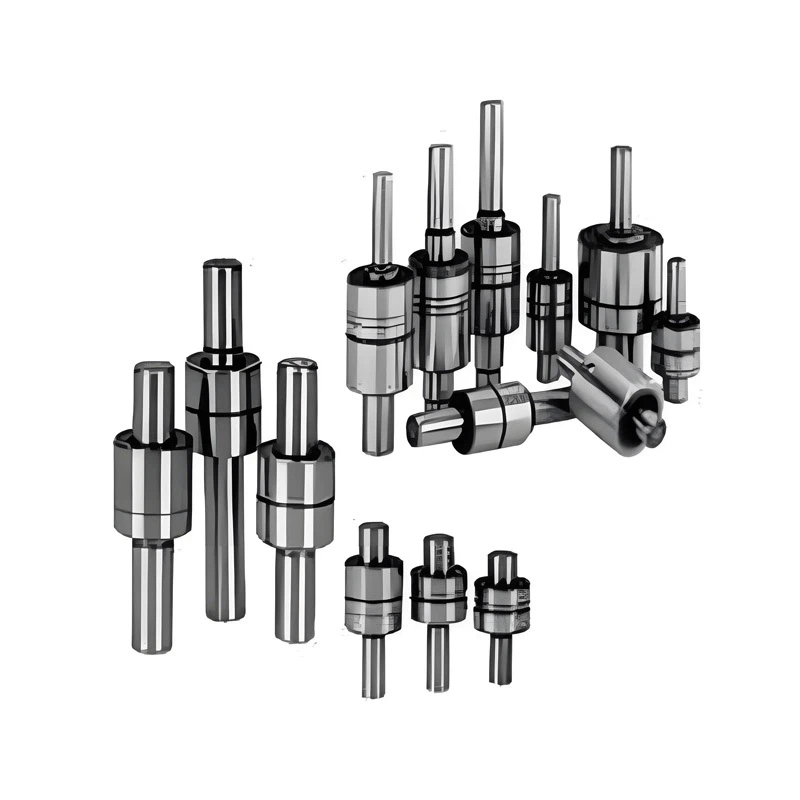
In industrial environments where there is a high presence of contaminants, the performance of plane slider bearings can degrade rapidly. For example, in a manufacturing plant where there is a lot of dust and metal shavings in the air, plane slider bearings may need to be replaced more frequently due to contamination. On the other hand, some specialized bearings like Baling Machine Bearing are designed with better sealing mechanisms to prevent contaminants from entering the bearing, ensuring a longer service life even in harsh environments.

Limited Speed Capability
The speed at which plane slider bearings can operate is also limited. The high friction and heat generated during sliding motion make it difficult for these bearings to handle high - speed applications. As the speed increases, the frictional forces and heat generation also increase exponentially, which can lead to overheating and premature failure of the bearing.
In applications where high - speed operation is required, such as in high - speed motors or turbines, plane slider bearings are not suitable. Rolling element bearings are typically used in these scenarios because they can operate at much higher speeds with less friction and heat generation. For example, in a high - speed electric motor, using plane slider bearings would not only limit the motor's speed but also increase the risk of overheating and damage to the bearing.
Lubrication Challenges
Proper lubrication is crucial for the performance and longevity of plane slider bearings. However, achieving and maintaining the right level of lubrication can be a challenge. The lubricant needs to form a continuous film between the sliding surfaces to reduce friction and wear. But in some applications, it can be difficult to ensure that the lubricant is evenly distributed and maintained.
In high - temperature or high - pressure environments, the lubricant may break down or evaporate quickly, reducing its effectiveness. Also, if the bearing is operating in a vertical or inclined position, the lubricant may drain away, leaving the bearing surfaces without proper lubrication. This can lead to increased friction, wear, and ultimately, bearing failure. In contrast, some other types of bearings have better self - lubrication or sealing mechanisms that make lubrication management easier.
Difficult Installation and Alignment
Installing and aligning plane slider bearings correctly is a complex task. Any misalignment during installation can cause uneven loading on the bearing surfaces, leading to increased wear and premature failure. The process of aligning the bearing requires precise measurements and specialized tools, which can be time - consuming and costly.
In addition, if the bearing needs to be replaced or serviced, the disassembly and reassembly process can be challenging. Unlike some other types of bearings that can be easily installed and removed, plane slider bearings often require more intricate procedures. This can result in longer downtime for the equipment, which can be a significant issue in industries where continuous operation is critical.
Conclusion
While plane slider bearings have their place in certain applications, it's important to be aware of their disadvantages. Their limited load - carrying capacity, high friction, poor resistance to contamination, limited speed capability, lubrication challenges, and difficult installation and alignment all need to be considered when choosing a bearing for a particular application.
However, it's not all bad news. In applications where the loads are relatively light, speeds are low, and the environment is clean, plane slider bearings can still be a viable option. As a supplier, I'm always ready to help customers evaluate their needs and determine whether plane slider bearings are the right choice for their specific applications.
If you're in the process of selecting bearings for your equipment or have any questions about plane slider bearings, I encourage you to reach out. We can have a detailed discussion about your requirements and explore the best bearing solutions for your project. Let's work together to ensure the optimal performance and reliability of your machinery.
References
- Budynas, R. G., & Nisbett, J. K. (2011). Shigley's Mechanical Engineering Design. McGraw - Hill.
- Harris, T. A., & Kotzalas, M. N. (2007). Rolling Bearing Analysis. Wiley.


