


In the realm of mechanical engineering, ball thrust bearings play a pivotal role in various applications, from automotive transmissions to industrial machinery. As a trusted ball thrust bearing supplier, I've witnessed firsthand the diverse challenges and requirements that our clients face. One question that has increasingly come to the forefront is the influence of a magnetic field on a ball thrust bearing. In this blog post, I'll delve into this topic, exploring the scientific principles at play and their practical implications for users.
Understanding Ball Thrust Bearings
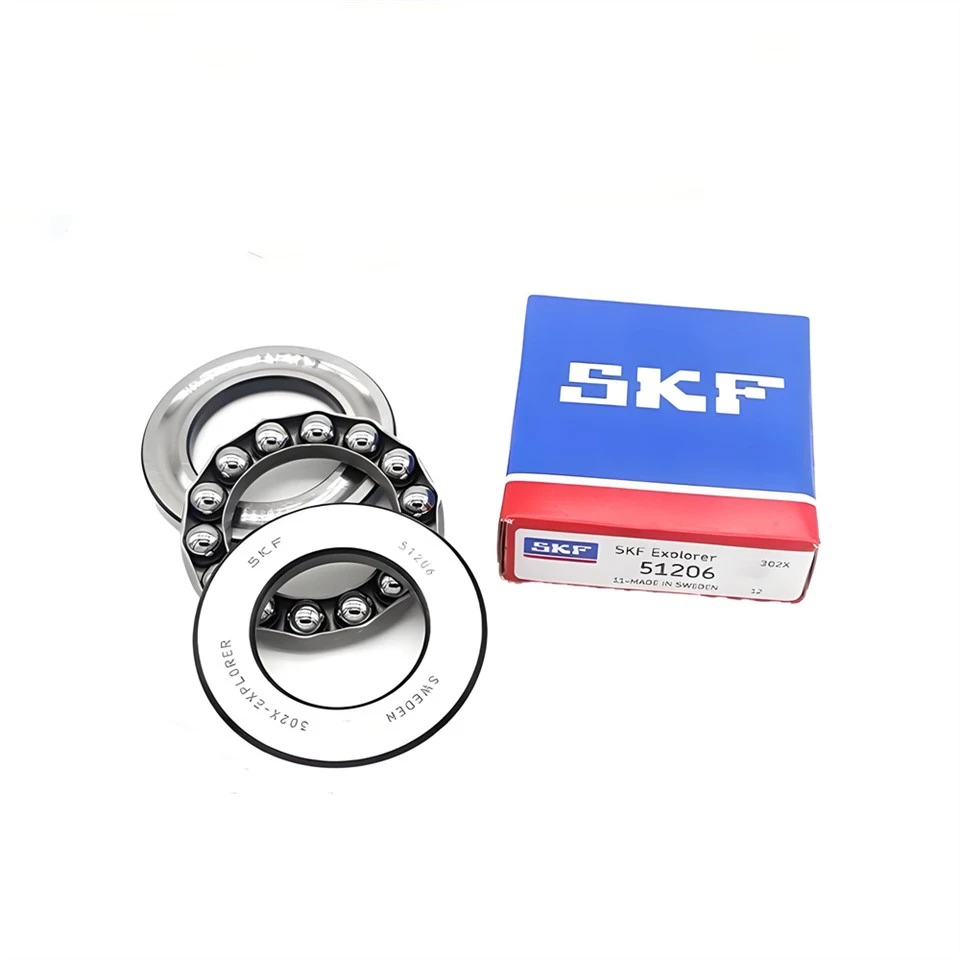
Before we discuss the impact of magnetic fields, let's briefly review what ball thrust bearings are and how they function. A ball thrust bearing is designed to handle axial loads, which are forces acting parallel to the shaft. It consists of two washers (or races) and a set of balls that roll between them. The balls reduce friction and allow for smooth rotation, enabling the bearing to support the load efficiently.
These bearings are used in a wide range of industries, including automotive, aerospace, and manufacturing. For example, in a car's transmission, ball thrust bearings help manage the axial forces generated by gears and shafts, ensuring smooth shifting and reliable operation.

The Basics of Magnetic Fields
A magnetic field is a region in space where a magnetic force can be detected. It is created by moving electric charges, such as those in a current-carrying wire or a permanent magnet. Magnetic fields have both magnitude and direction, and they can interact with other magnetic objects or materials.
In industrial settings, magnetic fields can be generated by various sources, including electric motors, generators, and magnetic sensors. These fields can vary in strength and distribution, depending on the specific application and the design of the equipment.
How Magnetic Fields Affect Ball Thrust Bearings
The influence of a magnetic field on a ball thrust bearing can be complex and depends on several factors, including the strength of the field, the orientation of the bearing relative to the field, and the material properties of the bearing components. Here are some of the key ways that magnetic fields can impact ball thrust bearings:
1. Magnetic Attraction and Repulsion
One of the most obvious effects of a magnetic field on a ball thrust bearing is the magnetic attraction or repulsion between the bearing components and the magnetic source. If the bearing is made of a ferromagnetic material, such as steel, it will be attracted to a magnetic field. This can cause the bearing to shift or misalign, leading to increased wear and reduced performance.
For example, if a ball thrust bearing is located near a powerful electromagnet, the magnetic force may pull the bearing out of position, causing the balls to rub against the races unevenly. This can result in premature wear and failure of the bearing.
2. Eddy Current Heating
When a conductive material, such as the steel used in ball thrust bearings, is exposed to a changing magnetic field, eddy currents are induced in the material. These eddy currents generate heat, which can increase the temperature of the bearing and affect its performance.
Excessive heat can cause the lubricant in the bearing to break down, reducing its ability to reduce friction and protect the bearing components. It can also lead to thermal expansion of the bearing, which can cause misalignment and increased wear.
3. Corrosion and Oxidation
Magnetic fields can also accelerate the corrosion and oxidation of ball thrust bearings. When a bearing is exposed to a magnetic field in the presence of moisture or other corrosive substances, the magnetic field can enhance the electrochemical reactions that cause corrosion.
This can lead to the formation of rust and other corrosion products on the bearing components, which can increase friction, reduce the bearing's load-carrying capacity, and ultimately lead to failure.
4. Electromagnetic Interference (EMI)
In addition to the physical effects on the bearing itself, magnetic fields can also cause electromagnetic interference (EMI) with nearby electronic components. This can disrupt the operation of sensors, controllers, and other electronic devices, leading to performance issues and potential system failures.
Mitigating the Effects of Magnetic Fields
As a ball thrust bearing supplier, we understand the importance of minimizing the impact of magnetic fields on our products. Here are some strategies that can be used to mitigate the effects of magnetic fields:
1. Material Selection
One of the most effective ways to reduce the influence of magnetic fields is to choose bearing materials that are less susceptible to magnetic attraction. Non-ferromagnetic materials, such as ceramic or stainless steel, can be used in applications where magnetic fields are present.
For example, ceramic ball thrust bearings offer excellent resistance to magnetic fields, as well as high hardness, low friction, and corrosion resistance. They are often used in aerospace, medical, and high-speed applications where magnetic interference is a concern.
2. Shielding
Another approach is to use shielding to block or reduce the strength of the magnetic field. Magnetic shields can be made of materials such as mu-metal, which has high magnetic permeability and can redirect the magnetic field lines around the bearing.
Shielding can be particularly effective in applications where the magnetic field is strong and cannot be eliminated. It can help protect the bearing from magnetic attraction, eddy current heating, and other effects.
3. Proper Installation and Alignment
Ensuring proper installation and alignment of the ball thrust bearing is crucial for minimizing the impact of magnetic fields. Misalignment can increase the stress on the bearing components and make them more susceptible to the effects of magnetic forces.
During installation, it is important to follow the manufacturer's guidelines and use the appropriate tools and techniques to ensure that the bearing is properly seated and aligned. Regular inspection and maintenance can also help detect and correct any alignment issues before they cause significant damage.
Application-Specific Considerations
Different applications may require specific considerations when dealing with magnetic fields and ball thrust bearings. Here are some examples:
1. Automotive Applications
In automotive applications, ball thrust bearings are used in various components, such as transmissions, wheel hubs, and steering systems. Magnetic fields can be generated by electric motors, sensors, and other electronic devices in the vehicle.
To ensure reliable operation, automotive manufacturers often use bearing materials that are resistant to magnetic interference and employ shielding techniques to protect the bearings from magnetic fields. They also conduct rigorous testing to verify the performance of the bearings under different operating conditions.
2. Aerospace Applications
In aerospace applications, ball thrust bearings are used in critical components, such as aircraft engines, landing gear, and flight control systems. Magnetic fields can be generated by on-board electronics, navigation systems, and external sources.
Aerospace manufacturers typically use high-performance bearing materials, such as ceramic or titanium, that offer excellent resistance to magnetic fields and other environmental factors. They also implement strict quality control measures and testing procedures to ensure the reliability and safety of the bearings.
3. Industrial Applications
In industrial applications, ball thrust bearings are used in a wide range of machinery, including pumps, compressors, and conveyor systems. Magnetic fields can be generated by electric motors, generators, and magnetic separators.
Industrial users often choose bearing materials and designs that are suitable for the specific operating conditions and magnetic environments. They may also use shielding and monitoring devices to protect the bearings and detect any potential issues early on.
Conclusion
As a ball thrust bearing supplier, we recognize the importance of understanding the influence of magnetic fields on our products. By considering the factors discussed in this blog post and implementing appropriate mitigation strategies, we can help our customers ensure the reliable performance of their equipment in magnetic environments.
If you are looking for high-quality ball thrust bearings for your application, we invite you to explore our extensive range of products at Nsk Ball Thrust Bearing and Skf Ball Thrust Bearing. We also offer Centrifugal thrust bearing solutions for specific applications.
If you have any questions or need further assistance, please feel free to contact us. We have a team of experienced engineers and technical experts who can provide you with personalized advice and support. We look forward to working with you to meet your ball thrust bearing needs.
References
- Harris, T. A., & Kotzalas, M. N. (2007). Rolling Bearing Analysis. Wiley.
- Gupta, P. K. (2002). Ball and Roller Bearing Engineering. CRC Press.
- Bently, D. E. (2012). Fundamentals of Rotating Machinery Diagnostics. Elsevier.


