


Hey there! As a supplier of Arm Crane Bearings, I'm super stoked to take you behind the scenes and walk you through the manufacturing process of these crucial components. Arm crane bearings play a vital role in the smooth operation of arm cranes, ensuring they can lift and move heavy loads with precision and stability. So, let's dive right in!
Raw Material Selection
The very first step in making arm crane bearings is picking the right raw materials. We need materials that are tough, durable, and can handle high loads and stresses. Usually, we go for high - quality steel alloys. These alloys are carefully chosen for their excellent mechanical properties, like high strength, good wear resistance, and the ability to withstand corrosion.
We source our steel from trusted suppliers who follow strict quality control measures. Before we start using the steel, we conduct a series of tests to make sure it meets our standards. This includes checking its chemical composition, hardness, and microstructure. Only when we're 100% satisfied with the quality of the raw material do we move on to the next step.
Forging
Once we have the right raw material, it's time for forging. Forging is a process where we heat the steel to a really high temperature and then use a hammer or a press to shape it. This process is crucial because it helps to refine the grain structure of the steel, making it stronger and more reliable.
During forging, we use dies that are specially designed to give the bearing its basic shape. The heated steel is placed between the dies, and the press applies a huge amount of force to deform the steel into the desired shape. This process is repeated several times to ensure that the steel is evenly shaped and that any internal defects are eliminated.
Machining
After forging, the bearing blank needs to be machined to its final dimensions. Machining involves a series of processes, such as turning, milling, drilling, and grinding.
Turning is used to shape the outer and inner diameters of the bearing. A lathe is used to rotate the bearing blank while a cutting tool removes excess material to create a smooth and precise surface. Milling is then used to create any grooves or channels on the bearing surface. Drilling is used to make holes for lubrication or mounting purposes.
Finally, grinding is the most important machining process for achieving the high - precision surface finish required for arm crane bearings. Grinding uses an abrasive wheel to remove very small amounts of material, leaving a smooth and accurate surface. This is crucial for reducing friction and ensuring the long - term performance of the bearing.

Heat Treatment
Heat treatment is a critical step in the manufacturing process of arm crane bearings. It involves heating the bearing to a specific temperature and then cooling it at a controlled rate. This process helps to improve the hardness, strength, and toughness of the bearing.
There are different types of heat treatment processes, such as quenching and tempering. Quenching involves heating the bearing to a high temperature and then rapidly cooling it in a quenching medium, like oil or water. This makes the bearing very hard but also brittle. To reduce the brittleness, we then temper the bearing by heating it to a lower temperature and holding it there for a certain period of time. This process helps to balance the hardness and toughness of the bearing.
Surface Treatment
Once the heat treatment is done, the bearing undergoes surface treatment. Surface treatment is important for protecting the bearing from corrosion and wear. One common surface treatment method is coating. We can apply different types of coatings, such as zinc or chrome, to the bearing surface. These coatings act as a barrier between the bearing and the environment, preventing rust and corrosion.
Another surface treatment method is nitriding. Nitriding involves introducing nitrogen into the surface of the bearing to form a hard and wear - resistant layer. This layer not only improves the wear resistance of the bearing but also reduces friction, which is great for the overall performance of the arm crane.
Assembly
After all the individual components of the bearing are manufactured and treated, it's time for assembly. Assembly is a delicate process that requires precision and attention to detail.
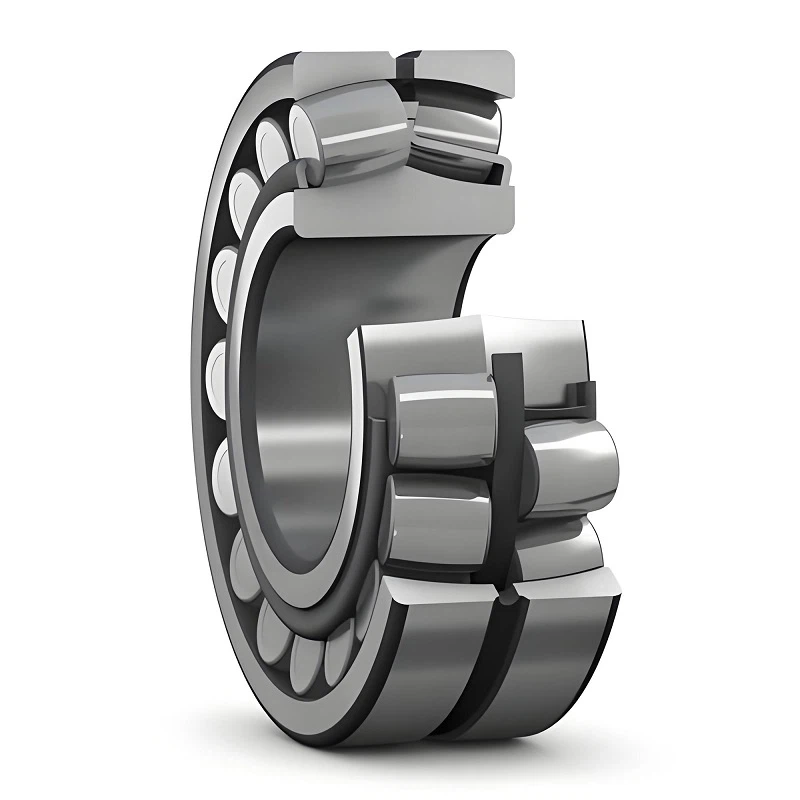
First, we clean all the components to remove any dirt, debris, or contaminants. Then, we carefully place the inner and outer rings, the rolling elements (such as balls or rollers), and the cage in the correct position. The cage is used to keep the rolling elements evenly spaced and prevent them from rubbing against each other.
Once the components are assembled, we add lubricant to the bearing. Lubricant is essential for reducing friction and wear, as well as for dissipating heat. We use high - quality lubricants that are specifically designed for the operating conditions of arm crane bearings.
Quality Control
Quality control is an ongoing process throughout the manufacturing of arm crane bearings. At every stage, from raw material selection to assembly, we conduct a series of inspections and tests to ensure that the bearings meet our high - quality standards.
We use advanced inspection equipment, such as coordinate measuring machines (CMMs) and non - destructive testing (NDT) methods, to check the dimensions, surface finish, and internal structure of the bearings. We also perform functional tests, such as running the bearings under simulated operating conditions to check their performance and reliability.
Only when a bearing passes all the quality control tests is it considered ready for shipment. We take pride in providing our customers with bearings that are of the highest quality and that will perform reliably in their arm cranes.
Related Bearings
If you're also interested in other types of bearings, we've got you covered. We also supply Centrifuge Bearings, Forklift Roller Bearing, and Fag Roller Bearing. These bearings are used in a wide range of industrial applications and are manufactured with the same high - quality standards as our arm crane bearings.
Contact Us for Purchase
If you're in the market for arm crane bearings or any of our other bearing products, don't hesitate to reach out. We're always here to answer your questions, provide you with more information, and help you find the right bearings for your needs. Whether you're a small business or a large industrial company, we can offer you competitive prices and excellent customer service. So, let's start a conversation and see how we can work together!
References
- ASM Handbook Committee. (2008). ASM Handbook Volume 4: Heat Treating. ASM International.
- Kalpakjian, S., & Schmid, S. R. (2010). Manufacturing Engineering and Technology. Pearson Prentice Hall.
- Harris, T. A., & Kotzalas, M. N. (2007). Rolling Bearing Analysis. Wiley - Interscience.


