


As a supplier of mixing truck bearings, I have seen firsthand the importance of understanding the materials used in their construction. Mixing trucks play a crucial role in the construction industry, transporting and mixing concrete efficiently. The bearings in these trucks are subjected to heavy loads, high speeds, and harsh operating conditions, making the choice of material paramount for their performance and longevity.

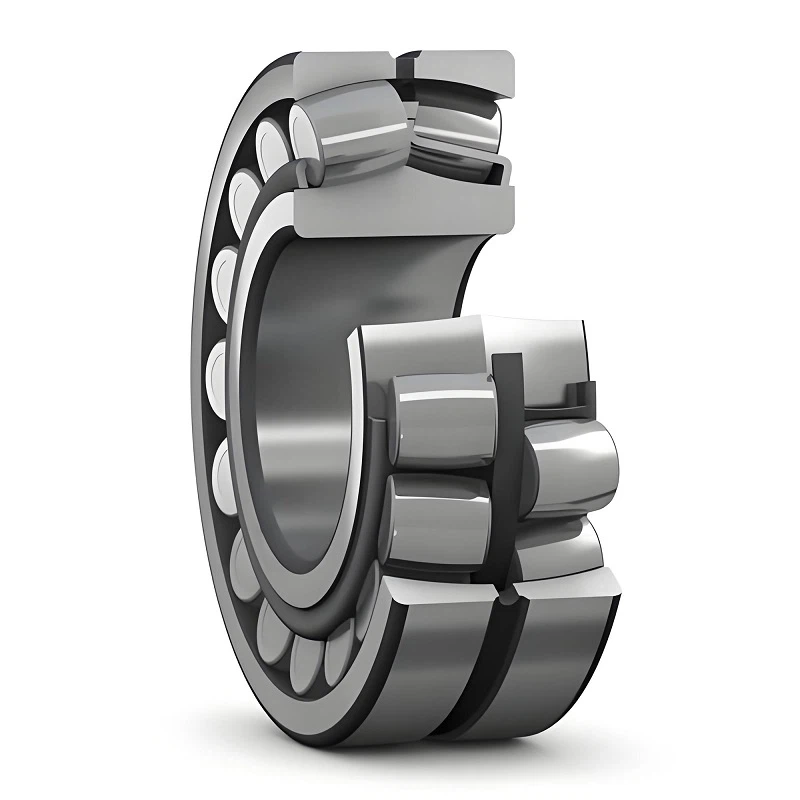
Steel Bearings
One of the most common materials used in mixing truck bearings is steel. Steel bearings offer several advantages that make them a popular choice in this application. Firstly, steel is known for its high strength and durability. It can withstand heavy loads and high speeds without deforming or wearing out quickly. This is essential for mixing truck bearings, as they need to support the weight of the concrete mixer and the forces generated during the mixing process.
Secondly, steel bearings have excellent corrosion resistance. Mixing trucks are often exposed to water, concrete, and other corrosive substances, which can cause damage to the bearings if they are not properly protected. Steel bearings are typically made from high-quality stainless steel or carbon steel, which are designed to resist corrosion and ensure a long service life.
Finally, steel bearings are relatively inexpensive compared to other materials. This makes them a cost-effective solution for mixing truck manufacturers and operators. Steel bearings can be easily mass-produced, which helps to keep the cost down without compromising on quality.
Ceramic Bearings
Ceramic bearings are another option for mixing truck applications. Ceramic materials, such as silicon nitride (Si3N4) and zirconium oxide (ZrO2), offer several unique properties that make them ideal for use in bearings.
One of the main advantages of ceramic bearings is their low density. Ceramic bearings are much lighter than steel bearings, which can reduce the overall weight of the mixing truck. This, in turn, can improve fuel efficiency and reduce emissions. Additionally, the lower weight of ceramic bearings can also reduce the stress on the truck's suspension and other components, leading to a longer service life.
Another benefit of ceramic bearings is their high hardness and wear resistance. Ceramic materials are much harder than steel, which means they can withstand greater loads and wear more effectively. This makes ceramic bearings ideal for use in high-speed and high-load applications, such as those found in mixing trucks.
Ceramic bearings also have excellent corrosion resistance. Unlike steel bearings, which can rust and corrode when exposed to water and other corrosive substances, ceramic bearings are virtually impervious to corrosion. This makes them a great choice for use in harsh environments, such as those found in the construction industry.
However, ceramic bearings are more expensive than steel bearings. The high cost of ceramic materials and the manufacturing process required to produce ceramic bearings can make them a less cost-effective option for some applications. Additionally, ceramic bearings may require special handling and installation procedures, which can add to the overall cost.
Hybrid Bearings
Hybrid bearings combine the best properties of steel and ceramic bearings. They typically have steel races and ceramic balls, which offer a good balance of strength, durability, and performance.
One of the main advantages of hybrid bearings is their reduced friction. The ceramic balls in hybrid bearings have a lower coefficient of friction than steel balls, which can reduce the amount of energy required to rotate the bearing. This can lead to improved fuel efficiency and reduced wear on the bearings.
Hybrid bearings also have excellent corrosion resistance. The steel races in hybrid bearings are typically made from high-quality stainless steel, which provides good protection against corrosion. The ceramic balls are also resistant to corrosion, which further enhances the bearing's durability.
Additionally, hybrid bearings are more cost-effective than full ceramic bearings. While they are more expensive than steel bearings, they offer many of the same benefits as ceramic bearings at a lower cost. This makes them a popular choice for mixing truck applications where cost is a concern.
Other Materials
In addition to steel, ceramic, and hybrid bearings, there are other materials that can be used in mixing truck bearings. For example, some bearings may be made from bronze or brass. These materials offer good corrosion resistance and can be used in applications where lubrication is difficult or where the bearing needs to operate in a high-temperature environment.
Another option is to use polymer bearings. Polymer bearings are made from synthetic materials, such as nylon or PTFE, and offer several advantages over traditional metal bearings. They are lightweight, corrosion-resistant, and have a low coefficient of friction. Polymer bearings can also be easily molded into complex shapes, which makes them a good choice for applications where space is limited.
Conclusion
In conclusion, the choice of material for mixing truck bearings depends on several factors, including the application, the operating conditions, and the cost. Steel bearings are the most common choice due to their high strength, durability, and cost-effectiveness. Ceramic bearings offer several unique properties, such as low density, high hardness, and excellent corrosion resistance, but they are more expensive. Hybrid bearings combine the best properties of steel and ceramic bearings and offer a good balance of performance and cost. Other materials, such as bronze, brass, and polymers, can also be used in certain applications.
As a supplier of mixing truck bearings, I have a wide range of products available to meet the needs of different customers. Whether you need Fag Roller Bearing, Small Ceramic Ball Bearings, or Marine Engine Bearings, I can provide you with high-quality bearings that are designed to perform in the most demanding applications.
If you are interested in purchasing mixing truck bearings, I encourage you to contact me for more information. I can help you select the right bearings for your application and provide you with competitive pricing and excellent customer service. Let's work together to ensure the reliable and efficient operation of your mixing trucks.
References
- Harris, T. A., & Kotzalas, M. N. (2007). Rolling Bearing Analysis. John Wiley & Sons.
- Schaeffler Group. (2021). Bearing Technology Handbook.
- SKF Group. (2021). SKF Bearing Engineering Handbook.


