


In the realm of tractor machinery, the choice of the right bearings is crucial for optimal performance and longevity. Among the various types of bearings used in tractors, spindle bearings play a vital role in ensuring smooth and efficient operation. In this blog, we, as a Tractor Spindle Bearing supplier, will delve into the differences between single - row and double - row tractor spindle bearings, helping you make an informed decision for your tractor needs.
Understanding Tractor Spindle Bearings
Before we explore the differences between single - row and double - row tractor spindle bearings, let's first understand what tractor spindle bearings are. Tractor spindle bearings are a type of rolling - element bearing that support the spindle, a rotating shaft in the tractor's power transmission system. They are designed to handle both radial and axial loads, ensuring the smooth rotation of the spindle and the proper functioning of the associated machinery.
As a [Your Role in the Company], I have witnessed firsthand the importance of these bearings in the agricultural and industrial sectors. Whether it's a small - scale farm tractor or a large - scale industrial tractor, the right spindle bearing can make a significant difference in performance and reliability. You can find a wide range of Tractor Spindle Bearing on our website, each designed to meet specific requirements.
Single - Row Tractor Spindle Bearings
Single - row tractor spindle bearings consist of a single row of rolling elements, typically balls or rollers, between the inner and outer rings. These bearings are relatively simple in design and are widely used in various tractor applications.
Advantages
- Cost - Effective: Single - row bearings are generally less expensive to manufacture than double - row bearings. This makes them an attractive option for applications where cost is a significant factor. For small - scale farmers or those on a tight budget, single - row tractor spindle bearings can provide a reliable solution without breaking the bank.
- Compact Design: Their single - row design allows for a more compact bearing arrangement. This is beneficial in applications where space is limited, such as in some smaller tractor models. The compact size also means that they can be easily integrated into existing machinery without major modifications.
- Lower Friction: With a single row of rolling elements, single - row bearings typically have lower friction compared to double - row bearings. This results in less energy loss during operation, which can lead to improved fuel efficiency in tractors.
Disadvantages
- Limited Load Capacity: Single - row bearings have a lower load - carrying capacity compared to double - row bearings. They may not be suitable for applications that require high - load handling, such as heavy - duty tractors used in large - scale farming or industrial operations.
- Reduced Rigidity: Due to their single - row design, these bearings have less rigidity, which can lead to increased deflection under load. This may affect the accuracy and stability of the spindle, especially in high - precision applications.
Double - Row Tractor Spindle Bearings
Double - row tractor spindle bearings, as the name suggests, have two rows of rolling elements between the inner and outer rings. This design offers several advantages over single - row bearings, especially in high - load and high - precision applications.
Advantages
- High Load Capacity: The two rows of rolling elements allow double - row bearings to handle much higher radial and axial loads compared to single - row bearings. This makes them ideal for heavy - duty tractors that are used for tasks such as plowing, tilling, and hauling large loads.
- Increased Rigidity: The double - row design provides greater rigidity, which helps to maintain the accuracy and stability of the spindle. This is crucial in applications where precise positioning and smooth operation are required, such as in modern tractor steering systems.
- Improved Alignment: Double - row bearings are better able to accommodate misalignment between the shaft and the housing. This can reduce the stress on the bearing and extend its service life, especially in applications where there may be slight variations in the installation or operating conditions.
Disadvantages
- Higher Cost: Double - row bearings are more expensive to manufacture than single - row bearings due to their more complex design and the additional rolling elements. This can be a deterrent for some customers, especially those with budget constraints.
- Larger Size: The double - row design results in a larger bearing size, which may not be suitable for applications where space is limited. In some cases, additional modifications to the tractor may be required to accommodate the larger bearings.
- Higher Friction: With twice the number of rolling elements, double - row bearings generally have higher friction compared to single - row bearings. This can lead to increased energy consumption and heat generation, which may require additional cooling measures in some applications.
Application Considerations
When choosing between single - row and double - row tractor spindle bearings, it is important to consider the specific application requirements. Here are some factors to keep in mind:
- Load Requirements: If your tractor is used for light - duty tasks such as mowing or transporting small loads, a single - row bearing may be sufficient. However, for heavy - duty applications such as plowing or hauling large trailers, a double - row bearing is recommended to handle the higher loads.
- Space Constraints: In tractors with limited space, a single - row bearing's compact design may be more suitable. On the other hand, if space is not an issue and high performance is required, a double - row bearing can provide the necessary load capacity and rigidity.
- Budget: Cost is always an important consideration. If you are working with a tight budget, a single - row bearing may be the more economical choice. However, if you can afford the higher cost, the long - term benefits of a double - row bearing in terms of performance and reliability may outweigh the initial investment.
Other Related Bearings
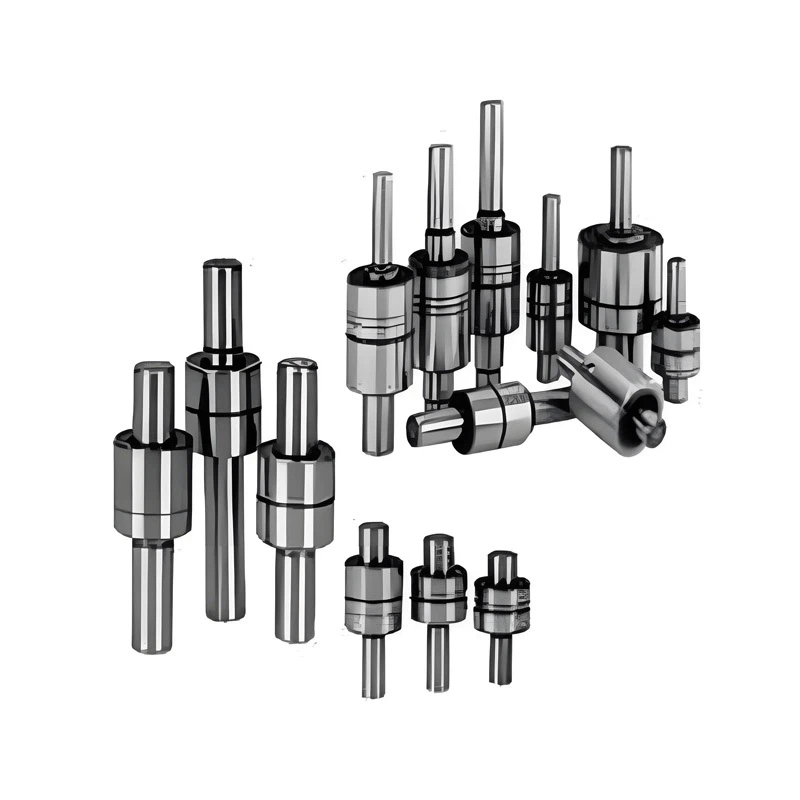
In addition to tractor spindle bearings, we also offer a wide range of other industrial bearings, such as Pellet Crusher Bearing and Automotive Water Pump Bearings. These bearings are designed to meet the specific requirements of their respective applications, ensuring reliable performance and long service life.
Conclusion
In conclusion, the choice between single - row and double - row tractor spindle bearings depends on a variety of factors, including load requirements, space constraints, and budget. Single - row bearings offer cost - effectiveness, compact design, and lower friction, making them suitable for light - duty applications and those with limited space and budget. Double - row bearings, on the other hand, provide high load capacity, increased rigidity, and improved alignment, making them ideal for heavy - duty and high - precision applications.

As a Tractor Spindle Bearing supplier, we are committed to providing our customers with the highest quality bearings and expert advice. If you have any questions or need assistance in choosing the right bearing for your tractor, please do not hesitate to contact us. We look forward to helping you find the perfect solution for your needs and ensuring the optimal performance of your tractor.
References
- "Rolling Bearing Analysis" by Tedric A. Harris and Michael N. Kotzalas.
- "Handbook of Bearing Technology" by Howard A. Spikes.


