


The lifespan of an industrial bearing is a critical factor that significantly impacts the efficiency and reliability of industrial machinery. As an industrial bearing supplier, I have witnessed firsthand the importance of understanding and optimizing bearing lifespan. In this blog, I will delve into the various aspects that determine how long an industrial bearing can last, the factors that influence its durability, and how to extend its service life.
Understanding the Basics of Industrial Bearing Lifespan
Industrial bearings are designed to reduce friction between moving parts, support loads, and ensure smooth rotation. The lifespan of a bearing is typically measured in hours of operation and is determined by several factors, including the type of bearing, the operating conditions, and the quality of the bearing itself.
The theoretical lifespan of a bearing is calculated based on the ISO 281 standard, which takes into account the dynamic load rating, the equivalent dynamic load, and the rotational speed. However, in real - world applications, the actual lifespan can deviate significantly from the theoretical value.
Types of Industrial Bearings and Their Lifespan Expectations
There are several types of industrial bearings, each with its own unique characteristics and lifespan expectations.
Ball Bearings
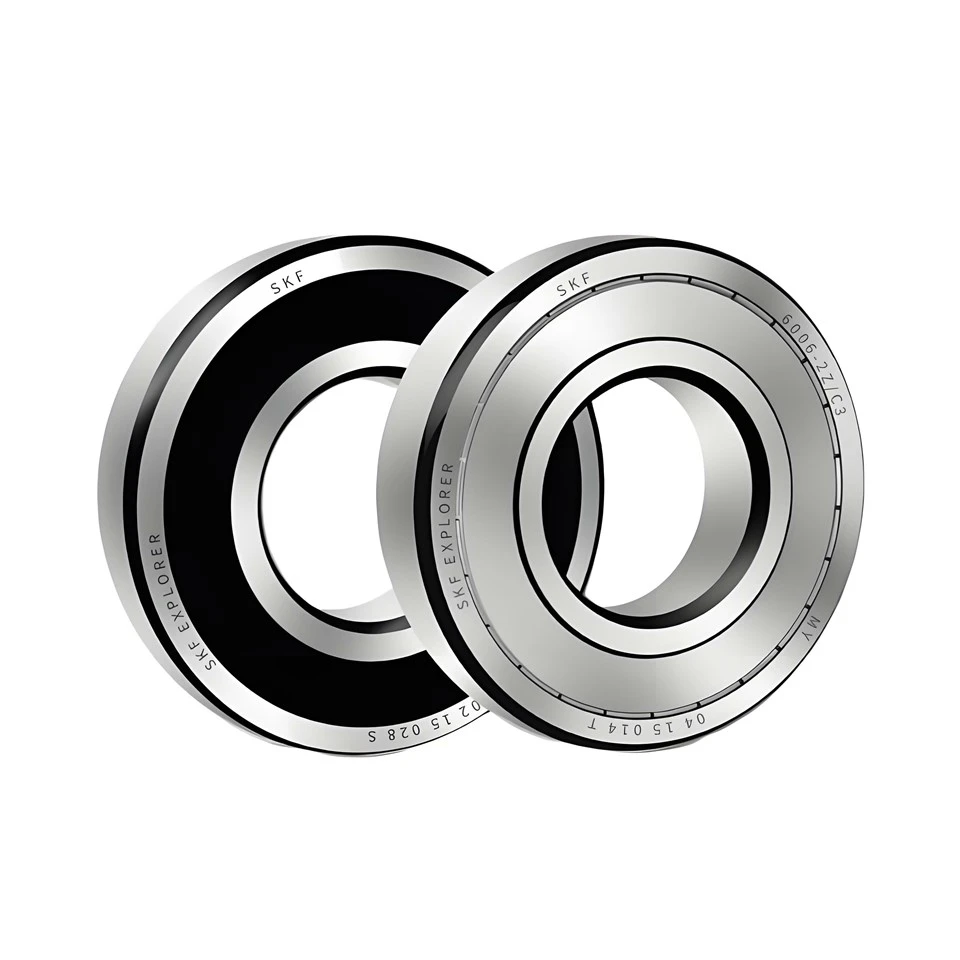
Ball bearings are one of the most common types of bearings. They are used in a wide range of applications, from small electric motors to large industrial equipment. Ball bearings generally have a relatively long lifespan when operating under normal conditions. Their design allows for low friction and high - speed operation. However, if they are subjected to excessive loads or misalignment, their lifespan can be significantly reduced.

Roller Bearings
Roller bearings are capable of handling heavier loads compared to ball bearings. They come in various types, such as cylindrical roller bearings, tapered roller bearings, and spherical roller bearings. The lifespan of roller bearings depends on the specific type and the application. For example, spherical roller bearings are designed to accommodate misalignment, which can help extend their lifespan in applications where shaft deflection is common.
Thrust Bearings
Thrust bearings are used to support axial loads. They are commonly found in applications such as automotive transmissions and machine tools. The lifespan of thrust bearings is influenced by the magnitude of the axial load, the rotational speed, and the lubrication conditions.
Factors Affecting the Lifespan of Industrial Bearings
Load
One of the most significant factors affecting bearing lifespan is the load it bears. Both radial and axial loads can cause wear and fatigue on the bearing surfaces. Excessive loads can lead to premature failure of the bearing. For example, if a bearing is designed to handle a certain maximum radial load and is subjected to a load that exceeds this limit, the rolling elements and raceways will experience increased stress, which can lead to cracking and spalling.
Speed
The rotational speed of the bearing also plays a crucial role in determining its lifespan. High - speed operation can generate more heat, which can degrade the lubricant and cause thermal expansion of the bearing components. This can lead to increased friction and wear. Additionally, at high speeds, the rolling elements may experience centrifugal forces that can affect their contact with the raceways.
Lubrication
Proper lubrication is essential for extending the lifespan of industrial bearings. Lubricants reduce friction, dissipate heat, and protect the bearing surfaces from corrosion. There are different types of lubricants, such as grease and oil, and the choice depends on the application and operating conditions. Insufficient lubrication or the use of the wrong type of lubricant can lead to increased wear and premature bearing failure.
Contamination
Contamination is another major factor that can shorten the lifespan of industrial bearings. Dust, dirt, moisture, and other foreign particles can enter the bearing and cause abrasion, corrosion, and damage to the rolling elements and raceways. For example, in a mining or construction environment, where there is a high concentration of dust, bearings are more likely to be contaminated if proper sealing is not in place.
Misalignment
Shaft misalignment can put additional stress on the bearing, leading to uneven loading and premature wear. Misalignment can occur due to improper installation, thermal expansion, or structural deformation of the machinery. Even a small degree of misalignment can have a significant impact on the bearing's lifespan.
Extending the Lifespan of Industrial Bearings
Proper Selection
Selecting the right bearing for the application is the first step in ensuring a long lifespan. This involves considering factors such as the load, speed, operating temperature, and environmental conditions. As an industrial bearing supplier, I always work closely with my customers to understand their specific requirements and recommend the most suitable bearing type and size.
Correct Installation
Proper installation is crucial for the optimal performance and longevity of bearings. Incorrect installation can cause damage to the bearing and lead to premature failure. It is important to follow the manufacturer's installation instructions, use the right tools, and ensure proper alignment during installation.
Regular Maintenance
Regular maintenance is essential for extending the lifespan of industrial bearings. This includes monitoring the bearing's temperature, vibration, and lubrication levels. By detecting early signs of wear or damage, corrective actions can be taken before a major failure occurs. Maintenance also involves replacing the lubricant at regular intervals and inspecting the seals to prevent contamination.
Use of High - Quality Bearings
Investing in high - quality bearings can significantly extend their lifespan. High - quality bearings are made from better materials, have more precise manufacturing tolerances, and are designed to withstand more severe operating conditions. As a supplier, I offer a wide range of high - quality industrial bearings that are sourced from reputable manufacturers.
Examples of Industrial Bearings and Their Applications
Centrifuge Bearings
Centrifuge Bearings are used in centrifuges, which are widely used in industries such as chemical, pharmaceutical, and food processing. These bearings need to be able to handle high - speed rotation and radial loads. The lifespan of centrifuge bearings can be extended by proper lubrication and regular maintenance to prevent contamination from the substances being processed.
Pellet Crusher Bearing
Pellet Crusher Bearing are employed in pellet crushers, which are used in the wood pellet and biomass industries. These bearings are subjected to high - impact loads and vibration. To ensure a long lifespan, proper load - capacity selection and vibration damping measures are necessary.
Arm Crane Bearing
Arm Crane Bearing are used in arm cranes, which are commonly found in construction and shipping industries. These bearings need to support heavy loads and allow for smooth rotation of the crane arm. The lifespan of arm crane bearings can be enhanced by regular inspection and maintenance to detect any signs of wear or misalignment.
Conclusion
In conclusion, the lifespan of an industrial bearing is determined by a complex interplay of factors, including load, speed, lubrication, contamination, and misalignment. As an industrial bearing supplier, I am committed to helping my customers understand these factors and take the necessary steps to extend the lifespan of their bearings. By selecting the right bearing, installing it correctly, performing regular maintenance, and using high - quality products, industrial machinery can operate more efficiently and reliably.
If you are in need of industrial bearings or have any questions about bearing lifespan and maintenance, please feel free to contact me for further discussion and to explore potential procurement opportunities. I am here to provide you with the best solutions for your industrial bearing needs.
References
- ISO 281: Rolling bearings - Dynamic load ratings and rating life
- Harris, T. A., & Kotzalas, M. N. (2007). Rolling Bearing Analysis. John Wiley & Sons.
- Zaretsky, E. V. (2016). Ball and Roller Bearing Engineering. CRC Press.


