


The running accuracy of an Arm Crane Bearing is a critical factor that determines the overall performance and safety of an arm crane. As a supplier of Arm Crane Bearings, I have witnessed firsthand the impact that high - quality bearings with precise running accuracy can have on the efficiency of crane operations. In this blog, I will delve into what running accuracy means for Arm Crane Bearings, its influencing factors, and its significance in the real - world application of arm cranes.
What is Running Accuracy in Arm Crane Bearings?
Running accuracy refers to the ability of a bearing to maintain a stable and precise motion during operation. For an Arm Crane Bearing, this means that the bearing should rotate smoothly, with minimal deviation from its intended path. It is characterized by several key parameters:
- Radial Runout: This is the maximum amount of radial displacement of the bearing's outer or inner ring during rotation. In an arm crane, excessive radial runout can lead to uneven loading on the crane's structure, which may cause premature wear and tear of the bearing and other components. For example, if the radial runout of an Arm Crane Bearing is too large, it can result in the crane's arm wobbling during operation, affecting the accuracy of load placement.
- Axial Runout: Axial runout is the maximum axial displacement of the bearing rings. In an arm crane, proper axial runout control is essential for maintaining the alignment of the crane's arm. If the axial runout is not within the specified limits, it can cause the arm to shift axially, leading to misalignment of the lifting mechanism and potential safety hazards.
- Rotational Speed Stability: The bearing should be able to maintain a consistent rotational speed without significant fluctuations. In an arm crane, stable rotational speed is crucial for smooth and controlled movement of the crane's arm. Any sudden changes in rotational speed can cause jerks in the crane's operation, which can be dangerous for both the operator and the load being lifted.
Influencing Factors on Running Accuracy
Several factors can influence the running accuracy of an Arm Crane Bearing:
- Manufacturing Precision: The quality of the manufacturing process has a direct impact on the running accuracy of the bearing. High - precision machining techniques are required to ensure that the bearing's dimensions are within tight tolerances. For example, the raceways of the bearing must be ground to a high degree of smoothness and roundness to minimize radial and axial runout. As a supplier, we invest heavily in advanced manufacturing equipment and strict quality control measures to ensure the high precision of our Arm Crane Bearings.
- Material Quality: The material used to manufacture the bearing also plays a vital role in its running accuracy. High - quality bearing steels with excellent mechanical properties, such as high hardness and good toughness, are essential for withstanding the heavy loads and high - speed rotations in an arm crane. Additionally, the material's resistance to wear and corrosion can affect the long - term running accuracy of the bearing. For instance, a bearing made from low - quality steel may experience premature wear, leading to increased runout and reduced running accuracy over time.
- Lubrication: Proper lubrication is crucial for maintaining the running accuracy of an Arm Crane Bearing. Lubricants reduce friction between the bearing components, which helps to prevent overheating and wear. They also act as a barrier against contaminants, protecting the bearing from damage. Inadequate lubrication can cause increased friction, leading to higher temperatures and accelerated wear, which in turn can affect the bearing's running accuracy. We recommend using high - quality lubricants specifically designed for crane bearings and following the proper lubrication intervals.
- Installation and Alignment: Correct installation and alignment of the bearing are essential for achieving optimal running accuracy. If the bearing is not installed properly, it can cause misalignment, which can lead to uneven loading and increased runout. For example, if the bearing is installed at an angle, it can cause excessive radial and axial forces on the bearing, reducing its running accuracy and lifespan. As a supplier, we provide detailed installation instructions and technical support to ensure that our customers install our Arm Crane Bearings correctly.
Significance of Running Accuracy in Arm Crane Applications
The running accuracy of an Arm Crane Bearing is of utmost importance in various aspects of arm crane applications:
- Safety: High running accuracy ensures the stable and reliable operation of the arm crane, which is crucial for the safety of the operator and the surrounding environment. A bearing with poor running accuracy can cause the crane's arm to malfunction, leading to potential accidents such as load dropping or the crane tipping over. By providing Arm Crane Bearings with high running accuracy, we help our customers minimize safety risks and ensure the smooth operation of their cranes.
- Load Handling Precision: In applications where precise load handling is required, such as in construction and manufacturing industries, the running accuracy of the Arm Crane Bearing directly affects the accuracy of load placement. A bearing with high running accuracy allows the crane's arm to move smoothly and precisely, enabling accurate positioning of the load. This is essential for ensuring the quality of construction projects and the efficiency of manufacturing processes.
- Equipment Lifespan: Bearings with high running accuracy experience less wear and tear, which can significantly extend the lifespan of the arm crane. By reducing the stress on the bearing and other components, we help our customers save on maintenance costs and replacement parts. A longer - lasting bearing also means less downtime for the crane, improving the overall productivity of the operation.
Comparison with Other Types of Bearings
When considering the running accuracy of Arm Crane Bearings, it is also interesting to compare them with other types of bearings. For example, Fag Roller Bearing is a well - known type of bearing. Fag Roller Bearings are designed for high - load applications and offer good running accuracy in many industrial settings. However, Arm Crane Bearings are specifically engineered to meet the unique requirements of arm cranes, such as high - speed rotations and complex load conditions.
Zinc Alloy Bearing is another type of bearing. Zinc Alloy Bearings are often used in applications where corrosion resistance is a primary concern. While they may have their advantages in certain environments, they may not offer the same level of running accuracy as Arm Crane Bearings, especially in high - precision and high - load applications like arm cranes.
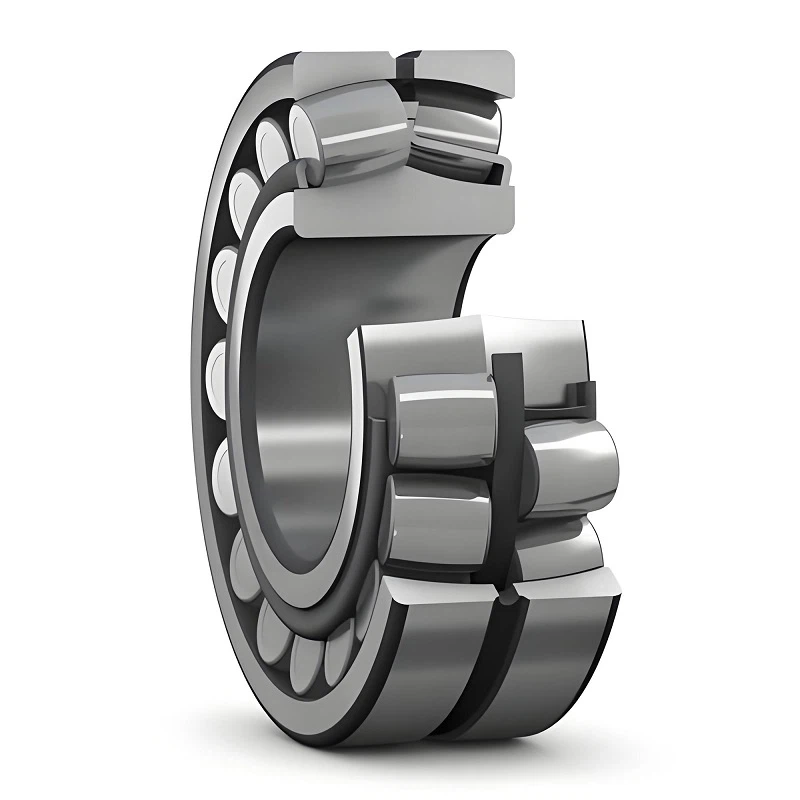

Ceramic Wheel Bearings are known for their high - temperature resistance and low friction. However, they may not be as suitable for the heavy - load and high - torque requirements of arm cranes as Arm Crane Bearings. Each type of bearing has its own characteristics, and the choice of bearing depends on the specific application requirements.
Conclusion
In conclusion, the running accuracy of an Arm Crane Bearing is a complex and critical parameter that is influenced by multiple factors. As a supplier of Arm Crane Bearings, we are committed to providing high - quality products with excellent running accuracy to meet the diverse needs of our customers. By understanding the importance of running accuracy and taking measures to ensure it, we can help our customers improve the safety, efficiency, and lifespan of their arm cranes.
If you are in the market for high - quality Arm Crane Bearings or have any questions about our products, we invite you to contact us for further discussion. We look forward to the opportunity to work with you and provide you with the best solutions for your arm crane applications.
References
- Harris, T. A., & Kotzalas, M. N. (2007). Rolling Bearing Analysis. John Wiley & Sons.
- Stachowiak, G. W., & Batchelor, A. W. (2005). Engineering Tribology. Elsevier.


